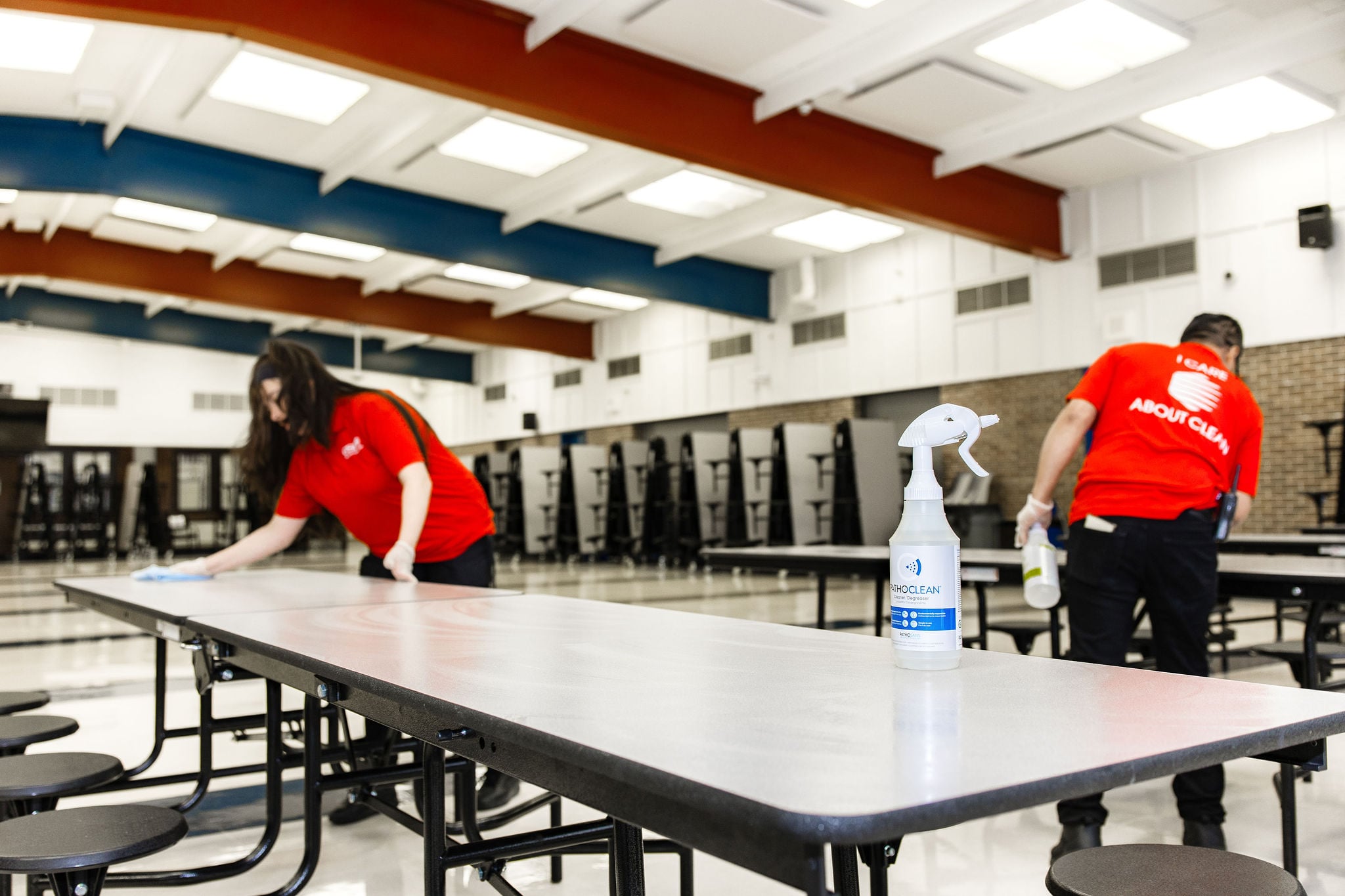
5 Signs Your School or Office Needs a Mid-Summer Facility Check-In

Summer may be a slower season for many schools and offices, but that doesn’t mean facility maintenance should take a vacation. In fact, mid-summer is one of the best times to evaluate your building before employees return from vacations; students head back to class or fall business ramps up.

A mid-summer facility check-in allows facility managers to address small issues before they become costly repairs, improve occupant comfort and ensure the building is ready for increased activity in the months ahead.

Here are five signs it’s time to schedule a mid-summer facility assessment.

  1. Floors Are Showing Damage

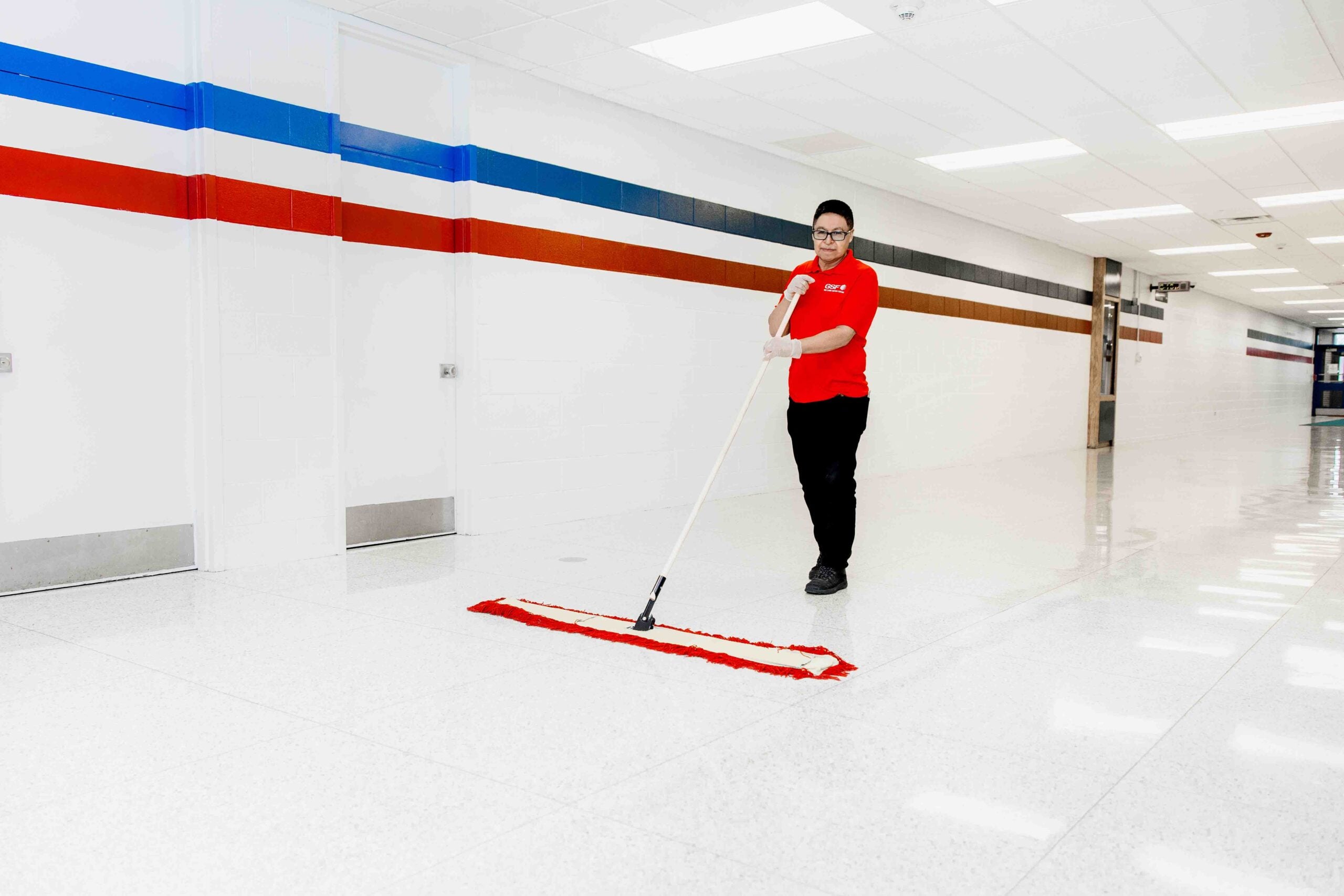
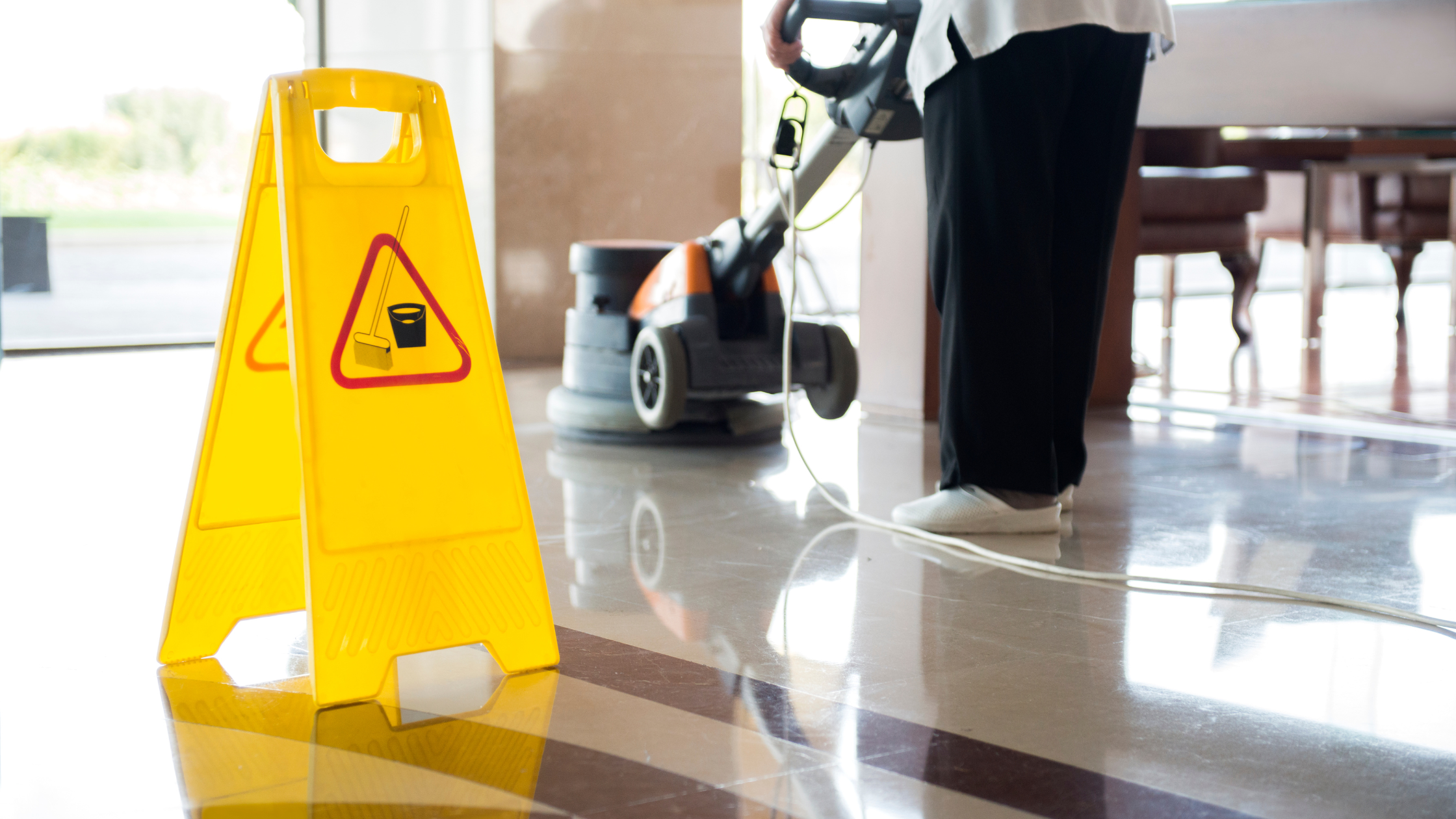
Even if your building experiences lighter occupancy during the summer, months of foot traffic from the first half of the year can leave floors looking worn. According to the Consumer Product Safety Commission (CPSC), injuries related to floors account for around 20% of medically attended injuries per year. Scratches, dull finishes, stained carpet and damaged entry mats not only impact your facility’s appearance but can also create safety concerns.

Mid-summer is an ideal time to deep clean carpets, refinish hard floors and inspect entrances before foot traffic increases again. Proactive floor maintenance helps extend the life of your flooring investment while creating a cleaner, more professional environment.

  1. Indoor Air Quality Declined

Hot weather puts HVAC systems under additional strain, and dust, pollen and humidity can quickly affect indoor air quality. If occupants have mentioned stale air, lingering odors or increased allergy symptoms, it’s worth taking a closer look.

An inspection can identify dirty vents, neglected filters and areas where dust has accumulated. Regular cleaning of HVAC components and high surfaces helps improve airflow while creating a healthier environment for employees, students and visitors.

  1. High-Traffic Areas Are Being Overlooked

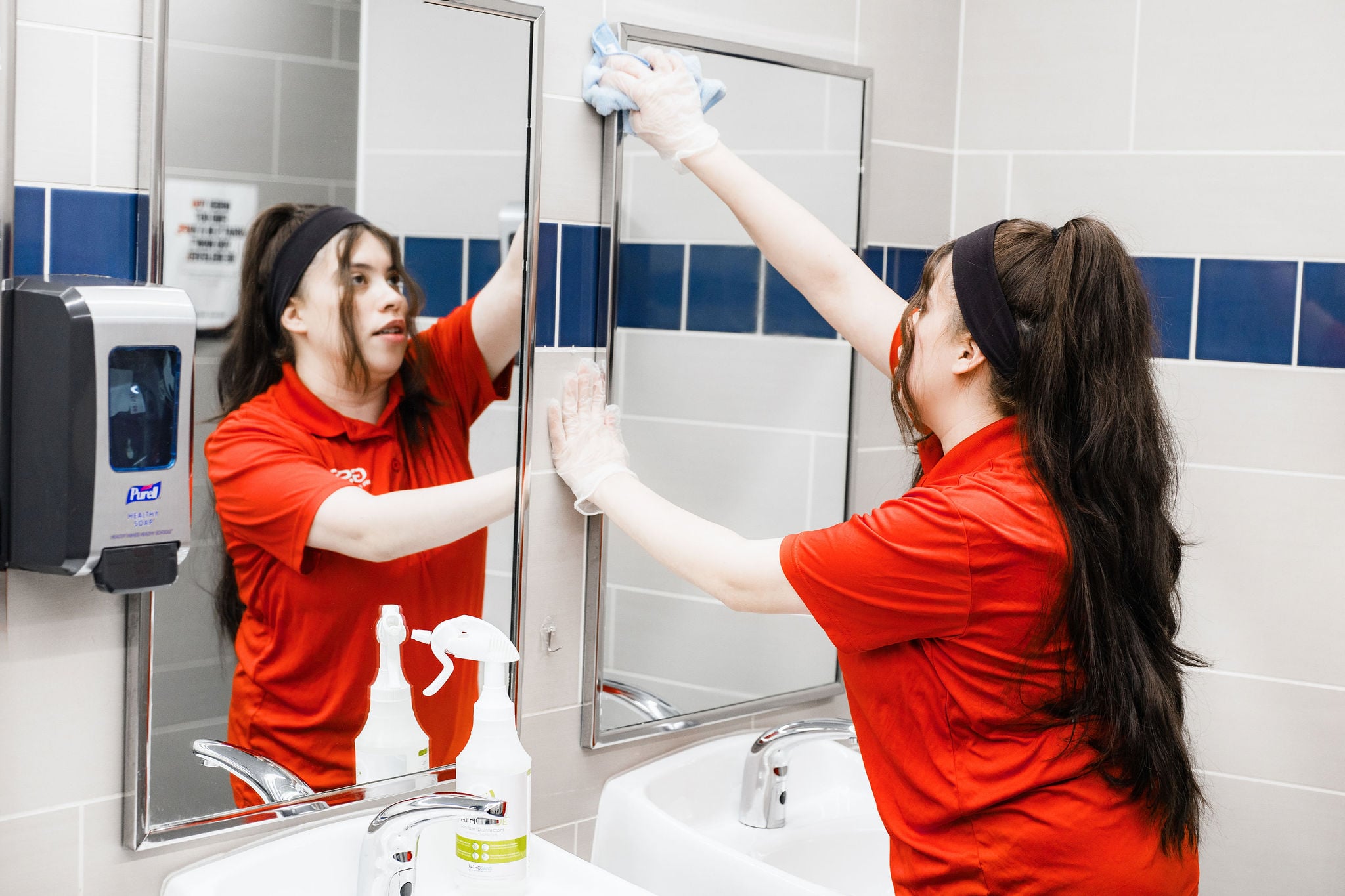
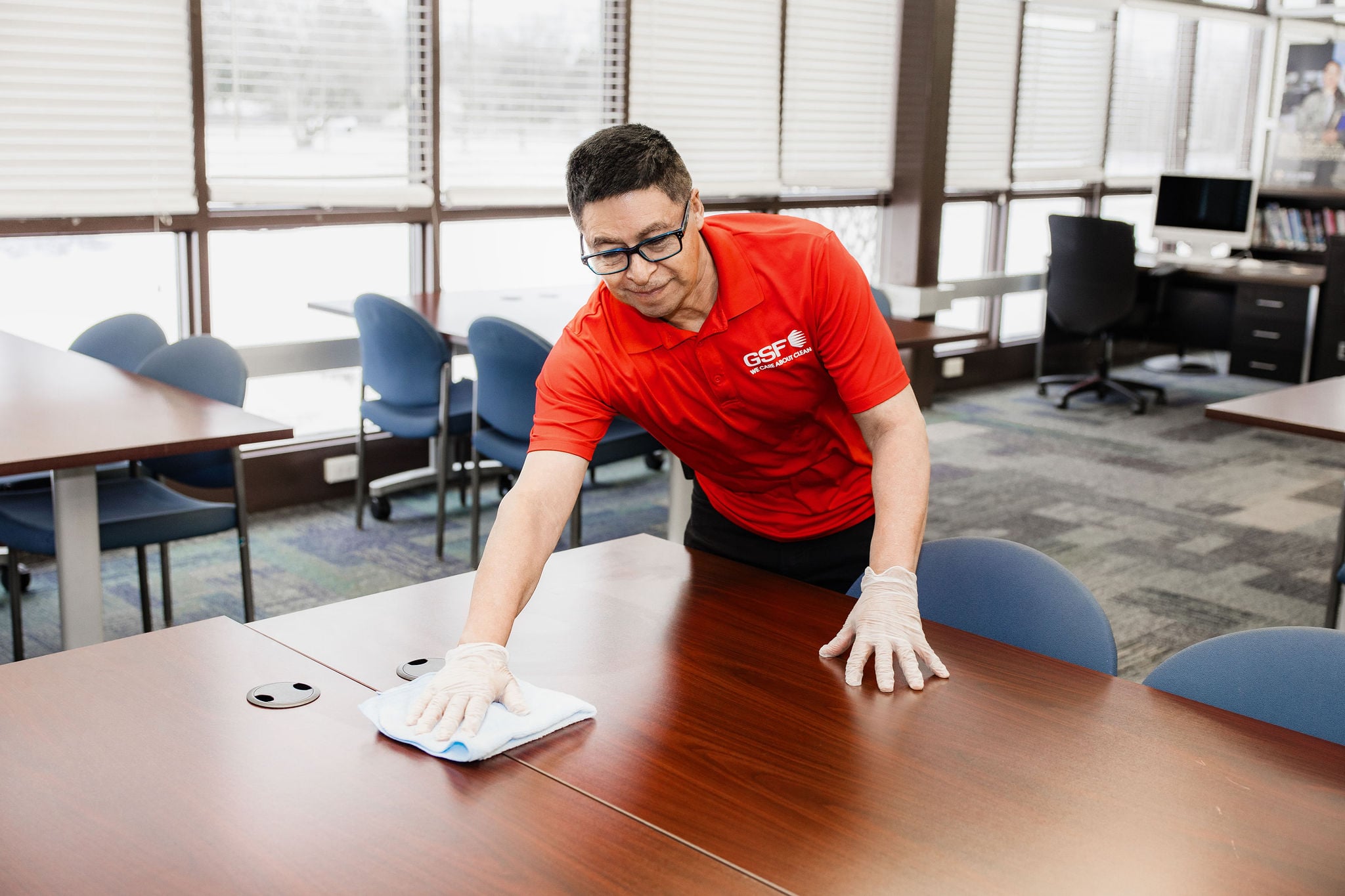
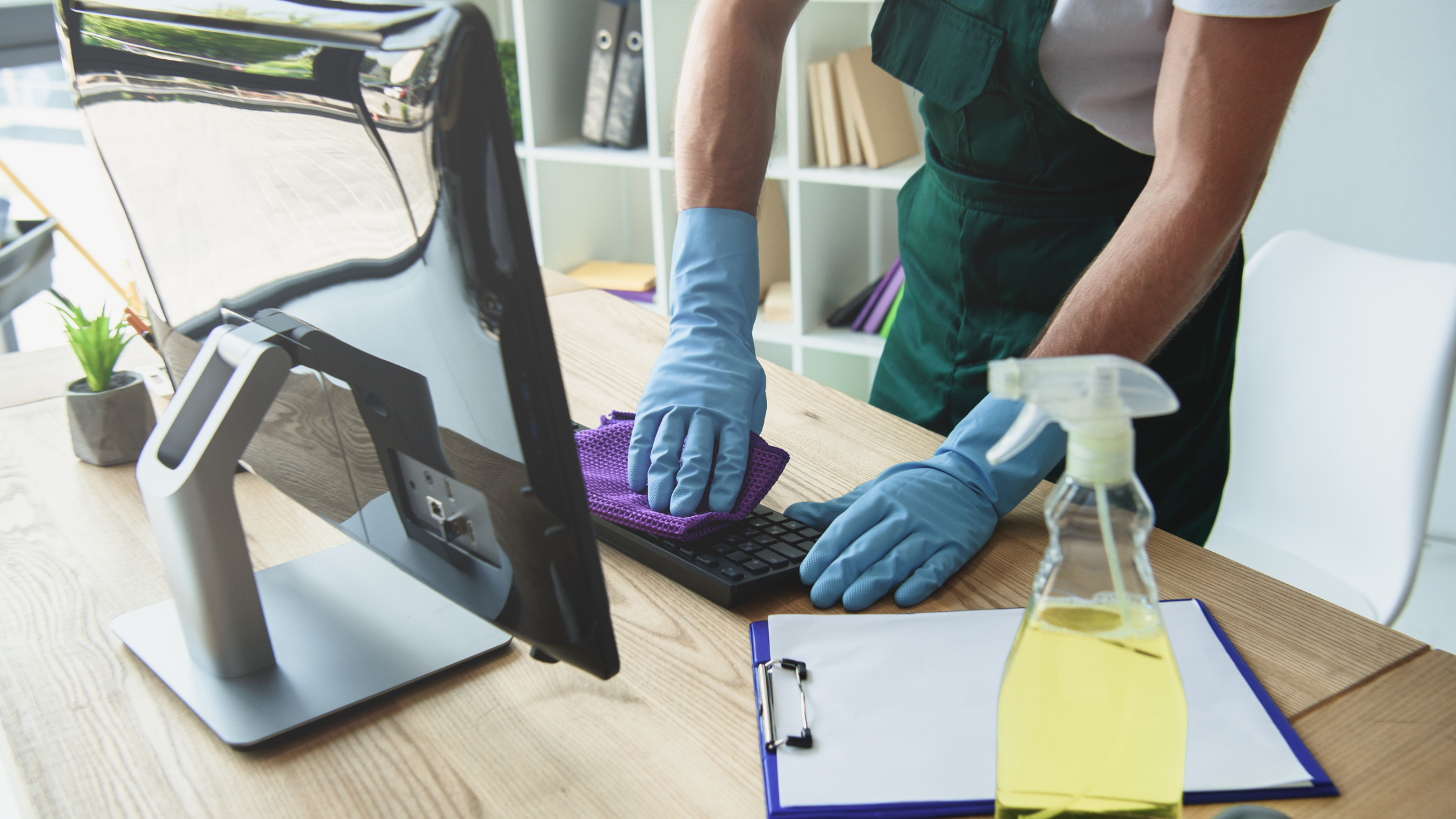
Break rooms, conference rooms, restrooms, elevators and shared workspaces continue to collect germs throughout the summer, even with reduced occupancy. If disinfecting routines have become less frequent during vacation season, high-touch surfaces may not be receiving the attention they require.

Use this time as an opportunity to review cleaning schedules, replenish supplies and ensure high-touch areas are consistently cleaned and disinfected to help reduce the spread of germs.

  1. Small Maintenance Issues Are Adding Up

A flickering light fixture. Water stains on ceiling tiles. Scuffed walls. Overflowing waste areas. Individually, these issues may seem minor. Together, they create the impression that a facility isn’t being properly maintained.

Summer provides valuable time to identify cosmetic concerns and routine maintenance needs before buildings return to full occupancy. Taking care of these issues early not only creates a more welcoming environment but can also reduce long-term expenses, with every dollar spent on preventative maintenance saving up to $4 in future repair and replacement costs.

  1. Preparing for a Busy Fall Season

Whether you’re welcoming students back to campus, preparing for year-end business initiatives or expecting increased visitor traffic, the weeks before fall are critical for facility readiness.

A comprehensive facility assessment can help ensure restrooms are fully stocked, common areas are refreshed, cleaning schedules are optimized and staffing plans are aligned with anticipated occupancy. Being proactive now helps prevent reactive cleaning later.

Why a Mid-Summer Check-In Matters

Facility maintenance isn’t just about responding to problems; rather, it’s about finding ways to prevent them. A mid-summer evaluation helps identify opportunities to improve cleanliness, safety and operational efficiency before your busiest season begins.

At GSF USA, we partner with organizations to deliver customized cleaning and facility services that help keep workplaces, educational facilities and commercial spaces operating at their best year-round.

Don’t wait until the first day back to discover what needs attention.

Celebrating Those Who Care About Clean at GSF USA  

Our people are at the heart of everything we do. Their dedication, teamwork and commitment to excellence help create the clean, safe and inviting environments our customers depend on every day. The impact they make extends far beyond the work itself and helps strengthen the communities we serve.

We’re proud to recognize those celebrating anniversaries with GSF USA. Each milestone represents continued growth, meaningful contributions and the lasting impact our team members make across the company. Congratulations to our outstanding team members on their well-earned achievements!

30th Anniversaries

Jasel A., GSF Illinois

Abraham A., GSF Illinois

25th Anniversaries

Arlin T., GSF Indiana

Sandra H., GSF Illinois

Armando M., GSF Illinois

20th Anniversaries

Charles B., GSF Indiana

15th Anniversaries

Israel L., GSF Indiana

10th Anniversaries

Santos A., GSF Indiana

Olga P., GSF Indiana

Margarita E., GSF Indiana

Daniel R., GSF Indiana

David D., GSF Wisconsin

Suzanne D., GSF Wisconsin

5th Anniversaries

Cesar G., GSF Illinois

Maria O., GSF Illinois

Karina A., GSF Indiana

Alma Q., GSF Rockford

Guillermo C., GSF Indiana

Fernando V., GSF Indiana

Elnar T., GSF Ohio

Luisa E., GSF Indiana

Leslie L., GSF Ohio

Michael L., GSF Ohio

Lorenzo C., GSF Indiana

Stephen H., GSF Rockford

Steven L., GSF Illinois

Erik R., GSF Rockford

The Importance of Preventive Maintenance for Building Longevity

When it comes to facility management, it’s easy to focus on issues that demand immediate attention, such as a broken fixture, a stained carpet, a malfunctioning HVAC unit or damaged flooring. But some of the most effective facility management strategies happen long before a problem occurs.

Preventive maintenance is the proactive approach to maintaining a building’s systems, surfaces and infrastructure before costly repairs become necessary. Whether managing a K-12 school, a higher education campus, an office building or a commercial facility, investing in routine maintenance can extend asset life, improve occupant comfort, reduce operational costs and create a safer environment for everyone who enters the building.

At GSF USA, we often remind our customers that protecting a facility is far more cost-effective than repairing one.

Why Preventive Maintenance Matters

Buildings are significant investments. From flooring and furnishings to HVAC systems and exterior grounds, every asset experiences wear and tear over time. Without regular attention, small issues can quickly escalate into major problems that require expensive repairs or premature replacement.

Preventive maintenance helps facility leaders shift from a reactive mindset to a proactive one. Instead of responding to emergencies, organizations can identify and address concerns early, reducing downtime and improving budget predictability.

The U.S. Environmental Protection Agency (EPA) notes that routine cleaning and maintenance programs help prevent indoor air quality issues, pest problems and system failures that can negatively impact building occupants and increase operating costs.

Educational Facilities: Protecting Learning Environments

Schools face unique facility challenges. Hundreds, if not thousands, of students, faculty, staff and visitors move through educational buildings every day. High traffic levels can accelerate wear on flooring, restrooms, cafeterias, gymnasiums and common areas.

Preventive maintenance in educational settings may include:

  • Regular floor refinishing and carpet care
  • HVAC inspections and filter replacements
  • Restroom fixture maintenance
  • Roof and drainage inspections
  • Playground and athletic field upkeep
  • Exterior landscaping and grounds management

These seemingly small tasks play an important role in preserving the facility while supporting student health and learning outcomes. When maintenance is deferred, schools often face larger repair projects that can disrupt learning and strain already limited budgets.

Commercial Facilities: Supporting Productivity and Professionalism

For office buildings and commercial properties, facility conditions directly influence employee experience, customer perception and operational efficiency.

Preventive maintenance helps commercial facilities:

  • Extend the lifespan of flooring and furnishings
  • Improve indoor air quality
  • Reduce equipment downtime
  • Lower long-term repair costs
  • Maintain a professional appearance
  • Support employee wellness and productivity

For example, a routine HVAC inspection may reveal a clogged filter or worn component before it impacts system performance. Addressing the issue early can improve energy efficiency and prevent a much larger repair later.

Similarly, regular floor maintenance can help protect a significant investment. Refinishing resilient flooring or performing scheduled carpet extraction can add years to the life of flooring materials while maintaining a clean, professional appearance.

Small Tasks That Deliver Big Results

Many preventive maintenance activities are simple, but their impact can be significant.

Examples include:

  • Floor Care
    • Routine cleaning, polishing and refinishing protect flooring from premature wear and help avoid costly replacement projects.
  • HVAC Maintenance
    • Regular inspections, filter changes and vent cleaning support indoor air quality and system efficiency while extending equipment lifespan.
  • Restroom Upkeep
    • Checking fixtures, repairing leaks and maintaining dispensers can prevent water damage and improve occupant satisfaction.
  • Exterior Maintenance
    • Maintaining landscaping, cleaning entryways and inspecting walkways helps create a positive first impression while reducing safety risks.
  • Lighting and Fixtures
    • Replacing aging bulbs and maintaining fixtures improves visibility, energy efficiency and occupant comfort.

When performed consistently, these activities can significantly reduce the likelihood of major failures and emergency repairs.

The Connection Between Cleaning and Maintenance

Cleaning and maintenance are often viewed as separate functions, but they work best together.

A comprehensive cleaning program helps identify maintenance concerns before they become larger issues. Custodial teams are often the first to notice damaged flooring, leaking fixtures, HVAC concerns or safety hazards. By communicating these findings early, facility managers can address problems before they escalate.

This integrated approach is one reason many organizations are turning to full-service facility partnerships that combine custodial services, maintenance support and groundskeeping under a single provider.

Plan Ahead for Long-Term Success

Preventive maintenance isn’t just about preserving a building; it’s about protecting the people who use it every day.

By investing in routine inspections, scheduled maintenance and proactive cleaning programs, schools and businesses can create healthier environments and avoid unnecessary expenses.

Organizations looking to strengthen their preventive maintenance strategy can start by conducting a facility assessment, identifying high-priority assets and creating a routine service schedule throughout the year.

Protecting Your Investment

At GSF USA, we understand that every facility is unique. Whether supporting a school district, commercial office, healthcare facility or industrial site, our teams help customers develop proactive cleaning, maintenance and groundskeeping programs that protect assets and support long-term success.

Because when it comes to building longevity, the smallest maintenance tasks often have the biggest impact.

Summer Break Prep and Readying Your Building for Deep Cleaning Season

For schools and many commercial facilities, summer break offers something that’s hard to come by during the rest of the year: time and flexibility. With fewer people in the building and lighter daily traffic, summer is the ideal opportunity to tackle deep cleaning, preventive maintenance and facility improvements that are difficult to complete during normal operations.

While routine cleaning keeps buildings looking their best throughout the year, summer deep cleaning helps restore, protect and extend the life of facilities in the long term. From floor refinishing to grounds care, taking a proactive approach during the off-season can help organizations start the next school year or business cycle clean and prepared.

Here are some of the most valuable services to prioritize during summer break.

Deep Cleaning Classrooms and Shared Spaces

Over the course of a busy year, dirt, dust and bacteria build up in areas that daily cleaning alone cannot fully address. Summer provides an opportunity to perform more detailed cleaning throughout classrooms, offices, cafeterias, gyms, locker rooms and common areas.

This may include:

  • High dusting vents, ceilings and light fixtures
  • Cleaning walls, partitions and doors
  • Disinfecting desks, furniture and high-touch surfaces
  • Deep cleaning restrooms and locker rooms
  • Upholstery and carpet cleaning

These efforts help improve indoor air quality and reduce allergens for staff and students returning in the fall.

Floor Refinishing and Carpet Care

Floors experience some of the highest wear and tear in any facility. Hallways, cafeterias, entryways and classrooms endure constant foot traffic, which can dull surfaces and shorten the lifespan of the flooring.

Summer is the perfect time to restore and protect floors through services such as:

  • Stripping and waxing hard floors
  • Burnishing and polishing surfaces
  • Tile and grout cleaning
  • Carpet extraction and stain removal
  • Floor repairs and touch-ups

Proper floor maintenance not only improves appearance but also helps prevent long-term damage and costly replacement projects down the road.

HVAC Cleaning and Preventive Maintenance

Indoor air quality has become a growing priority in schools and workplaces alike. Summer downtime creates an ideal window for HVAC inspections, filter replacement, vent cleaning and preventive maintenance.

A proactive HVAC maintenance plan can help:

  • Improve airflow and indoor comfort
  • Reduce dust and airborne contaminants
  • Increase energy efficiency
  • Extend equipment lifespan
  • Prepare systems for warmer temperatures and increased occupancy

When cleaning and maintenance teams work together, facilities can ensure systems operate efficiently before buildings are fully occupied again.

Exterior Cleaning and Grounds Care

Summer preparation shouldn’t stop at the front door. Exterior spaces create important first impressions and contribute to overall safety and functionality.

Seasonal grounds and exterior services may include:

  • Landscaping and lawn maintenance
  • Mulching and planting
  • Parking lot sweeping
  • Sidewalk and entryway cleaning
  • Pressure washing exterior surfaces
  • Athletic field maintenance

Well-maintained outdoor spaces help create welcoming environments for students, staff and visitors while reducing safety risks tied to debris, overgrowth or damaged surfaces.

Tackling Deferred Maintenance Projects

During busy school years or operating schedules, smaller maintenance issues can sometimes be postponed in favor of daily priorities. Summer break offers the chance to address these deferred tasks before they become larger problems.

This may include:

  • Minor repairs and painting
  • Fixture replacement
  • Lighting updates
  • Restroom touch-ups
  • Furniture moving and reset projects

Addressing these projects proactively can improve building appearance and functionality.

Planning Ahead for Back-to-School and Fall Occupancy

Summer preparation is ultimately about setting the tone for the months ahead. Clean, well-maintained buildings support healthier environments and help organizations start the next season strong.

At GSF USA, we partner with schools and organizations to develop customized summer cleaning and maintenance programs tailored to each facility’s needs. From floor care and deep cleaning to maintenance and groundskeeping, our teams help prepare buildings for a successful year ahead.

Earth Month Spotlight on Sustainable Cleaning Practices That Make a Difference

April is Earth Month, a time to reflect on how everyday actions contribute to a healthier planet. For schools, offices and commercial facilities, cleaning is one of those daily operations that can have a significant environmental impact. The good news is that with the right strategies, cleaning can also be part of the solution!

At GSF USA, sustainability isn’t a seasonal initiative, it’s built into how we serve our clients every day. Through our Écologique program, we focus on environmentally responsible cleaning practices that reduce waste, conserve resources and create healthier spaces for the people who use them.

Here’s how sustainable cleaning practices are making a real difference:

Choosing Green Products That Protect People and the Planet

Traditional cleaning chemicals can contain harsh ingredients that impact both indoor air quality and the environment. Sustainable cleaning starts with selecting products that are safer without compromising effectiveness.

With the Écologique program, we prioritize the use of eco-certified, low-toxicity cleaning solutions that reduce exposure to harmful chemicals. These products are designed to minimize volatile organic compounds (VOCs) and improve indoor air quality (IAQ).

By switching to greener alternatives, facilities can maintain high standards of cleanliness while reducing their environmental footprint.

Reducing Waste Through Smarter Cleaning Systems

Sustainability isn’t just about the products being used; it’s also about how they’re used. Many traditional cleaning methods rely on single-use materials and excessive packaging, which contribute to landfill waste.

GSF’s approach focuses on waste reduction through efficiency and reuse. This includes using durable microfiber cloths in place of disposable wipes, implementing dilution control systems to minimize product waste and purchasing cleaning solutions in bulk to reduce packaging.

These small changes add up, helping facilities significantly decrease the amount of waste generated through daily cleaning operations.

Conserving Water and Energy

Water and energy are two of the most important resources in any facility, and both can be conserved through smarter cleaning practices.

Low-moisture cleaning systems, such as microfiber mops and advanced floor care equipment, reduce water usage without sacrificing results. Energy-efficient equipment also plays a role, helping to lower overall consumption while maintaining performance.

At GSF, we continuously evaluate our processes to ensure we’re using resources responsibly while delivering the high-quality results our clients expect.

Supporting Healthier Indoor Environments

Sustainable cleaning doesn’t just benefit the environment; it directly supports occupant health and wellness. By reducing chemical exposure, improving IAQ and maintaining cleaner surfaces, green cleaning practices help create spaces where people can feel comfortable and safe.

This is especially important in schools, where students and staff spend long hours indoors. A cleaner, healthier environment supports better focus and overall well-being.

The Écologique Difference

GSF’s Écologique program brings all of these elements together into a comprehensive, sustainable cleaning approach. It’s built on a simple idea: that environmental responsibility and high-performance cleaning should go hand in hand.

Through this program, we help our clients:

It’s not about doing less, it’s about doing better.

Small Changes, Lasting Impact

Earth Month is a reminder that even small changes can have a meaningful impact over time. By adopting sustainable cleaning practices, facilities can play an important role in protecting the environment while creating better spaces for the people who use them every day.

At GSF USA, we’re proud to partner with organizations that share this commitment. Every clean space is an opportunity to make a difference! Contact us to learn more.

Celebrating Those Who Care About Clean at GSF USA  

At GSF USA, everything we do starts with our people. Our team members are the driving force behind the safe, clean and welcoming environments we create for our customers. Day in and day out, they put our mission into action through their dedication and commitment to the communities they serve.

Throughout the year, we take time to recognize those who reach meaningful milestones and anniversaries with GSF. These moments reflect their hard work and the pride they bring to their roles. We’re grateful for their continued contributions and proud to celebrate the individuals who make our team so strong.


30th Anniversaries

Lisa C., GSF USA

Mary M., GSF Indiana

25th Anniversaries

Veronica C. Z., GSF Indiana

Deanna T., GSF USA

15th Anniversaries

Libia F., GSF Illinois

10th Anniversaries

Jose A., GSF Illinois

Alberto I., GSF Indiana

Jose M. S., GSF Indiana

Mauricio P. V., GSF Indiana

Lucia R. F., GSF Indiana

Gudelia R., GSF Indiana

5th Anniversaries

Rogelia A., GSF Illinois

Zenaida C., GSF Illinois

Demetrio C. H., GSF Illinois

Yurit C., GSF Illinois

Adriana F., GSF Illinois

Blanca G., GSF Illinois

Griselda G., GSF Indiana

Rosario H., GSF Illinois

Marisol I. C., GSF Indiana

Jesus J., GSF Illinois

Alejandro M., GSF Illinois

Efrain M., GSF Indiana

Sarai O. M., GSF Illinois

Doraluz S., GSF Illinois

Mark S., GSF Wisconsin

Nelida V., GSF Illinois

Spring Cleaning for Public Spaces

As the seasons change, public spaces benefit from more than just a fresh coat of paint or a tidy desk. 68% of Americans think cleaning and hygiene are very important for public health. Spring cleaning is the perfect opportunity to focus on deep cleaning, carpet care and sanitization to create environments that are not only visually appealing but also healthier for everyone who uses them. 

Keep these insights in mind to make your spring-cleaning plan more effective.  

Deep Cleaning Beyond the Surface 

Routine cleaning keeps spaces looking presentable, but spring is the ideal time to go deeper. Deep cleaning addresses areas that are often overlooked during daily maintenance, including high-touch surfaces like door handles, light switches, elevator buttons and communal spaces. By targeting these hotspots, facilities can reduce the spread of germs and maintain a more hygienic environment. 

Refresh Carpets 

Carpets in public spaces endure heavy foot traffic, which can trap dirt, allergens and bacteria. Studies show that carpets can release 2.75 to 3.05 times more particles into the air than hard flooring. Professional carpet cleaning removes embedded debris, restores appearance and extends the life of flooring. Techniques such as hot water extraction or utilizing an autonomous vacuum sweeper ensure a thorough refresh without disrupting daily operations. Well-maintained carpets not only enhance the look of your space but also support a healthier indoor environment.  

Increase Sanitization 

Schools and offices require extra attention when it comes to sanitization, especially as students and employees return from their spring vacations. Classrooms, break rooms, restrooms and shared equipment are high-touch areas where germs can spread quickly.  

Regular, targeted disinfecting of high-touch surfaces using EPA-approved products plays a critical role in limiting the spread of germs. When paired with proper hand hygiene practices, these efforts can help reduce illness-related absences and create a healthier environment for staff, students and visitors.  

GSF USA utilizes Electrochemically Activated Solutions (ECAS). This cleaning and disinfection solution can be produced in your supply closet with an on-site generator using only water, salt and electricity. ECAS helps deliver consistent sanitization across large spaces while reducing reliance on traditional chemicals, supporting both safety and sustainability goals.  

Why Professional Services Make a Difference 

Outsourcing spring cleaning to professional facility services ensures thoroughness, consistency and efficiency. It can also help reduce overhead costs by eliminating the need to recruit, hire and train in-house staff. 

 Experienced cleaning teams bring the right equipment, techniques and products to tackle every corner of your facility safely and effectively. Beyond cleanliness, a well-executed spring cleaning demonstrates care for employees, students and visitors alike. 

Take the Leap This Spring 

Spring cleaning isn’t about looks; it’s an investment in the health, safety and longevity of your spaces. Whether it’s deep cleaning, carpet care or ramping up sanitization efforts, taking a proactive approach now can pay off throughout the year. 

GSF USA is here to help facilities tackle spring cleaning efficiently, safely and sustainably. Together, let’s create spaces that feel fresh, look great and support the well-being of everyone who uses them.  

Why Indoor Air Quality Should Be Your Priority This Spring

As winter fades and facilities prepare for warmer weather, spring brings a new set of indoor air quality challenges. Increased pollen, fluctuating temperatures and higher humidity levels can all impact the air inside your building. At the same time, spring often means increased foot traffic, open doors and seasonal transitions that place additional strain on building systems. 

At GSF USA, we see spring as an opportunity to reset indoor air quality strategies and prepare facilities for the months ahead. 

Spring Allergens and Airflow Challenges 

Spring introduces a surge of outdoor allergens such as pollen and mold spores, which can trigger or exacerbate asthma, allergies and headaches. As doors and windows open more frequently and ventilation systems shift from heating to cooling, these particles can enter and circulate throughout indoor spaces. 

Increased humidity can also create conditions where mold and mildew thrive, particularly in high-moisture areas. Without proactive management, indoor air can quickly become a source of discomfort for employees and visitors. Maintaining healthy indoor air during spring requires a coordinated approach that accounts for both outdoor environmental factors and internal building operations. 

HVAC Cleaning and Seasonal Transition 

Spring is the ideal time to inspect and clean HVAC systems following the heavy demands of winter. The accumulation of dust, debris and buildup during the heating season can impact system efficiency and indoor air quality if not addressed. 

A comprehensive seasonal check should include cleaning coils and drain pans, inspecting ductwork and verifying that ventilation rates align with occupancy levels. Transitioning from heating to cooling is also the ideal time to assess system performance and ensure airflow is balanced throughout the facility. 

Routine HVAC maintenance not only supports healthier indoor air but also improves energy efficiency and extends equipment lifespan as cooling demands increase. 

Touchpoint Protocols 

Spring brings increased foot traffic from events, travel and community activity. As more people move through facilities, high-touch surfaces, such as door handles, elevator buttons and shared equipment, can serve as reservoirs for germs. These germs spread through hand contact, occupant movement and shared surfaces throughout the facility. 

Increasing cleaning frequency and ensuring consistent disinfection for these areas helps decrease germ transmission. When paired with strong hand hygiene messaging and visible cleaning practices, facilities can support broader indoor environmental quality efforts and reinforce occupant confidence. Recognizing that indoor air quality and surface cleanliness are interconnected helps create a more comprehensive and resilient approach to facility health.  

Building a Proactive Spring Strategy 

Unlike the fresh spring breeze outside, maintaining clean, healthy air inside requires planning and execution. It’s a season of renewal, making it the perfect time to reassess your cleaning practices for maintaining indoor air quality. Proactive HVAC cleaning and touchpoint disinfection helps facilities manage allergens, humidity and germ transmission. 

At GSF USA, we help our clients develop facility cleaning strategies that prioritize health, efficiency and occupant experience. When indoor air quality is treated as a strategic priority rather than a seasonal afterthought, facilities are better positioned to support well-being throughout the year. 

Kick Off the Year Clean with Facility Maintenance Resolutions for 2026

A new year is the perfect opportunity to reevaluate how your facilities are cleaned and maintained. As you plan for the year ahead, setting thoughtful facility maintenance resolutions can help your cleaning teams transition from reactive fixes and to proactive programs that support healthier spaces, extend asset life and support long-term sustainability goals. 

At GSF USA, we know that strong maintenance strategies don’t happen by accident; they’re built through planning, consistent execution and ongoing employee training. Facilities should treat the new year not as a complete reset, but as an opportunity to refine and strengthen what’s already in place. 

1. Rethink Proactive Maintenance as a Long-Term Strategy 

One of the most impactful resolutions facilities can make is committing to proactive maintenance. Studies show that facilities focused on preventative maintenance experience significantly less unplanned downtime, up to 52.7% less, than those relying on reactive maintenance. Waiting for floors to dull, equipment to fail or complaints to arise often leads to higher costs and operational disruptions. This new year, shift your mindset toward proactive maintenance as a strategic investment rather than an added task. 

This approach focuses on anticipating issues before they disrupt day-to-day operations. Rather than waiting for visible damage, cleaning teams should watch for early signs of wear. Regular inspections of restrooms and other high-traffic areas help catch subtle changes in appearance or function, while consistent equipment maintenance reduces the risk of unexpected downtime. Over time, this proactive approach helps control costs, extends the life of facility assets and creates a more predictable, well-maintained environment.  

2. Elevate Cleaning from Appearance Focused to Protection Focused 

Visual cleanliness alone is no longer enough to meet occupant expectations. In 2026, facility maintenance programs need to go a step further, focusing on maintaining consistent hygiene standards that support occupant health and safety.  

This means understanding how people move through a space where high-touch interactions occur and how seasonal and daily traffic patterns impact cleanliness. It also requires consistent execution, using the right products correctly, allowing proper dwell times and aligning procedures with infection prevention best practices. When cleaning is approached as a health-supporting function, facilities can build trust with occupants and reinforce their commitment to well-being. 

3. Make Workforce Development a Core Focus 

Behind every successful maintenance program is a skilled, supported team. As labor challenges continue to arise across the industry, investing in training and development is no longer optional, it’s essential.  

Facilities that prioritize ongoing education see stronger consistency, improved safety and higher employee engagement. Training should go beyond task-based instruction to include critical thinking, leadership development and an understanding of how their individual roles contribute to the broader facility mission. When teams are empowered and equipped with knowledge and set with clear expectations, the quality of work improves and turnover decreases.  

4. Align Maintenance Practices with Sustainability Goals 

Sustainability continues to be a key focus for businesses, and facility maintenance plays a critical role in supporting these efforts. The way products are used and how cleaning schedules are structured have a direct impact on resource consumption and waste.  

Through our Écologique® cleaning program, sustainability is built into how spaces are cleaned and cared for. By using electrochemically activated solutions (ECAS) instead of traditional cleaning chemicals, responsible cleaning methods and high-tech equipment, we help facilities reduce their environmental impact while delivering the highest standard of clean. This approach supports healthier indoor environments while meeting sustainability goals without compromising performance or reliability. 

Setting the Standard for Clean in 2026 

Facility maintenance resolutions are not about quick fixes or one-time improvements. They are about building systems that support long-term success. When approached thoughtfully, these practices foster a cleaner, healthier and sustainable environment that can be maintained consistently throughout 2026 and beyond.  

At GSF USA, we partner with facilities to design unique maintenance programs that are tailored to their individual needs and goals. As the new year begins, now is the perfect time to raise expectations and set a higher standard for clean. 

Celebrating Those Who Care About Clean at GSF USA 

At GSF USA, our success starts with the people who show up every day to care for the spaces our customers rely on. Our team members play a vital role in creating clean, safe and welcoming environments, and their dedication is reflected in everything they do. 

Each quarter, we take the time to celebrate employees who reach meaningful milestones and significant anniversaries with GSF. These moments honor the commitment, consistency and pride our team brings to their roles. Congratulations to our outstanding team members on their well-earned achievements! 

25th Anniversaries   

Gumercindo C., GSF Indiana  

20th Anniversaries   

Laura S., GSF Indiana 

10th Anniversaries    

Gustavo C., GSF Illinois 

Ramon D., GSF Illinois 

Rosaura L., GSF Indiana 

Reyna M., GSF Illinois 

Jose M., GSF Illinois 

Ruben M., GSF Indiana 

Ramiro R., GSF Indiana 

Luis T., GSF Illinois 

5th Anniversaries 

Martha A., GSF Illinois 

Alicia B., GSF Illinois 

Beatriz C., GSF Illinois 

Tia D., GSF Indiana 

Maria G., GSF Indiana 

Heidy G., GSF Illinois 

Juan G., GSF Illinois 

Graciela G., GSF Illinois 

Jennifer H., GSF Rockford 

Lilian M., GSF Indiana 

Rita M., GSF Illinois 

Emilio R., GSF Indiana 

Jose R., GSF Illinois