Long-term Implications of Green Cleaning

There’s only one planet Earth, so organizations have a responsibility to do their part to improve public health while reducing negative effects on the environment. Commercial facilities are increasingly adopting sustainability practices, including more responsible cleaning. There are several benefits that come with green cleaning that all meet one primary goal: having a healthier environment. Green cleaning goes the extra mile, using effective, safe and sustainable solutions.

Lasting Benefits of Responsible Cleaning

Responsible cleaning can offer benefits for:

People

Traditional products may be high in toxic irritants, dangerous compounds or volatile organic compounds (VOCs), which can remain in environments long after use. In fact, at least 95% of chemicals used in fragrances are synthetic compounds that come from petroleum. Petroleum-based chemicals have been known to alter hormones and cause serious medical issues like cancer, neurological disorders, weakened immune systems, learning disabilities, allergies, infertility and more.

Using sustainable cleaning chemicals can reduce health risks and enhance indoor air quality (IAQ). This reduces the adverse effects that poor IAQ has on people, especially those with asthma and allergies. Good IAQ also supports better productivity and performance by reducing health issues that can cause absenteeism and presenteeism.

The planet

U.S. commercial buildings are responsible for consuming 17% of water, 33% of energy, 40% of raw materials and 71% of electricity, indirectly or directly producing 40% of landfill waste and 33% of carbon dioxide emissions. Green cleaning programs carefully consider the amount of waste being produced and sent to landfills. This results in less waste polluting waterways and habitats. Facility managers can look for manufacturers that offer eco-friendly products that will help reduce the impact that cleaning has on the planet.

Brand reputation

Green cleaning improves the perception of the brand. Organizations that have a clear commitment to the environment can improve brand reputation and customer retention, thereby driving greater profits. It turns out that consumers are willing to pay more for products and services coming from companies that are dedicated to social responsibility. Adopting sustainability policies and practices, including green cleaning, also supports employee recruitment and retention, thereby reducing operating costs.

How to Implement Sustainability in Commercial Cleaning

There are numerous ways that commercial facilities can make cleaning more environmentally friendly, including:

Focusing on water conservation

Cleaning requires large volumes of water. Thus, facility managers should carefully assess their equipment. Self-contained scrubbers are capable of effectively cleaning hard floors without multiple buckets of water, and clean up to 70% faster than conventional wet mopping and 30% faster than conventional auto scrubbing. Another simple way to save water is to use dilution stations to make precisely dosed amounts of cleaning chemical with the right amount of water.

Additionally, floor care machines using ec-H20 technology, which converts water into an effective cleaning solution, can help facilities reduce water usage and improve safety. Compared to traditional floor cleaning chemicals, the solution produced through ec-H20 technology removes soils without leaving a chemical residue and scrubbers equipped with this technology also use less water.

Adopting electrochemically activated solutions

More facilities are replacing traditional toxic cleaning products with electrochemically activated solutions (ECAS). These are generated on site using three safe ingredients: water, salt and electricity. ECAS do not irritate the eyes or skin and support better IAQ, as they do not contain added fragrances, dyes or VOCs. This makes them a better solution for everyday use. Adopting ECAS demonstrates that cleaning professionals’ wellbeing and the environment matter.

Reducing waste generation

Investing in high-quality cleaning tools and supplies means they won’t have to be replaced as frequently. This helps cleaning programs generate less waste. For example, microfiber cloths remove fine particles, bacteria, microbes and soils on surfaces. Moving away from single-use solutions like disinfectant wipes in favor of reusable options like microfiber is more environmentally friendly.

ECAS also support waste reduction efforts, as facilities can eliminate chemical shipments and frequent disposal of plastic bottles that contribute to carbon dioxide emissions and additional waste to landfills. Lastly, selecting reliable equipment and properly maintaining it can reduce unnecessary and frequent replacements that create waste.

The “Green for Clean” Effect

The purpose of sustainable cleaning is to create a healthier environment for today and future generations. By eliminating harsh chemicals, commercial facilities support the planet and the health and safety of building occupants and visitors. To become more environmentally friendly, facility managers can look into new ways to reduce waste and innovative technologies that positively impact the organization’s footprint as well as brand reputation.

At GSF USA, we care about clean and making commercial cleaning programs more sustainable. Contact our offices here and follow us on LinkedIn and Facebook for the latest updates.

A Decade of Service (and More) at GSF USA

At GSF USA, we care about clean and the people who help us achieve cleanliness in our customers’ buildings. We are dedicated to hiring and retaining the best talent, and helping individuals build meaningful careers in the commercial cleaning industry.  

Because we are focused on equipping our people with high-quality tools, equipment, training and leadership development, we are proud that many have been with our team for years. This quarter, numerous employees are celebrating a decade or longer with the company!  

Congratulations to all and thank you for your continued efforts to help GSF USA grow and differentiate itself as a leading building service contractor. We could not have gotten to where we are today without your hard work! 

20th Anniversaries 

Ines E., GSF Illinois
Keith W., GSF Ohio   

15th Anniversaries  

Nayeli E., GSF Illinois
Gerardo R., GSF Illinois
Guadalupe S., GSF Indiana  

10th Anniversaries 

Ana M., GSF Indiana
Juan M., GSF Illinois
Dana R., GSF Indiana  

Hard Floor Care Strategies for Success

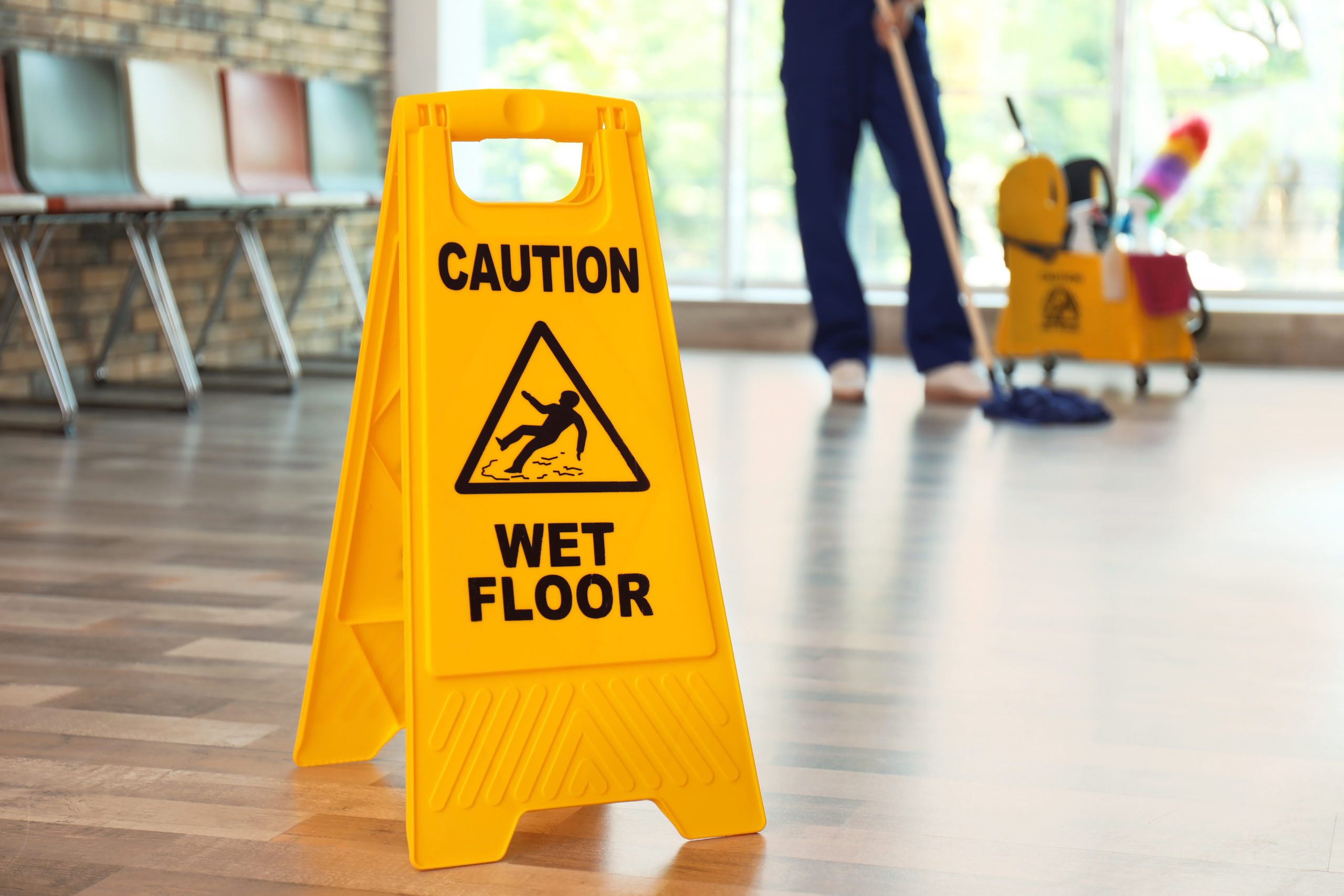
When entering a facility, the cleanliness of the floor is often the first thing people notice. While clean floors may not be something you think about all the time, it’s certainly noticeable when they are dirty or wet.  

Not only are dirty floors dangerous, they can also give visitors a negative impression of your organization’s commitment to cleanliness. At least 52% of adults claim they would not return to a retailer if they encountered slippery floors or floors covered in dirt or dust. Additionally, the accumulation of dirt and debris on the floor can facilitate an unhealthy environment. 

Having a strategic approach to floor care is essential for maintaining cleanliness and safety. Learn how to improve floor care so you can impress everyone entering your facility.  

Hard Floor Types and Risks 

It’s important to maintain the cleanliness of your facility’s floors because wet conditions can lead to slip-and-fall accidents. Additionally, heavy foot traffic can make floors appear dirty, requiring continuous upkeep. If floor care is not a priority, it can lead to reputational damage as well as costly and disruptive replacement. 

There are multiple types of hard flooring, including but not limited to:  

Terrazzo 

These floors are made with marble and natural stone chips using a concrete binder, which can be high maintenance. Because of their glossy texture, they can become very slippery when wet.  

Wood 

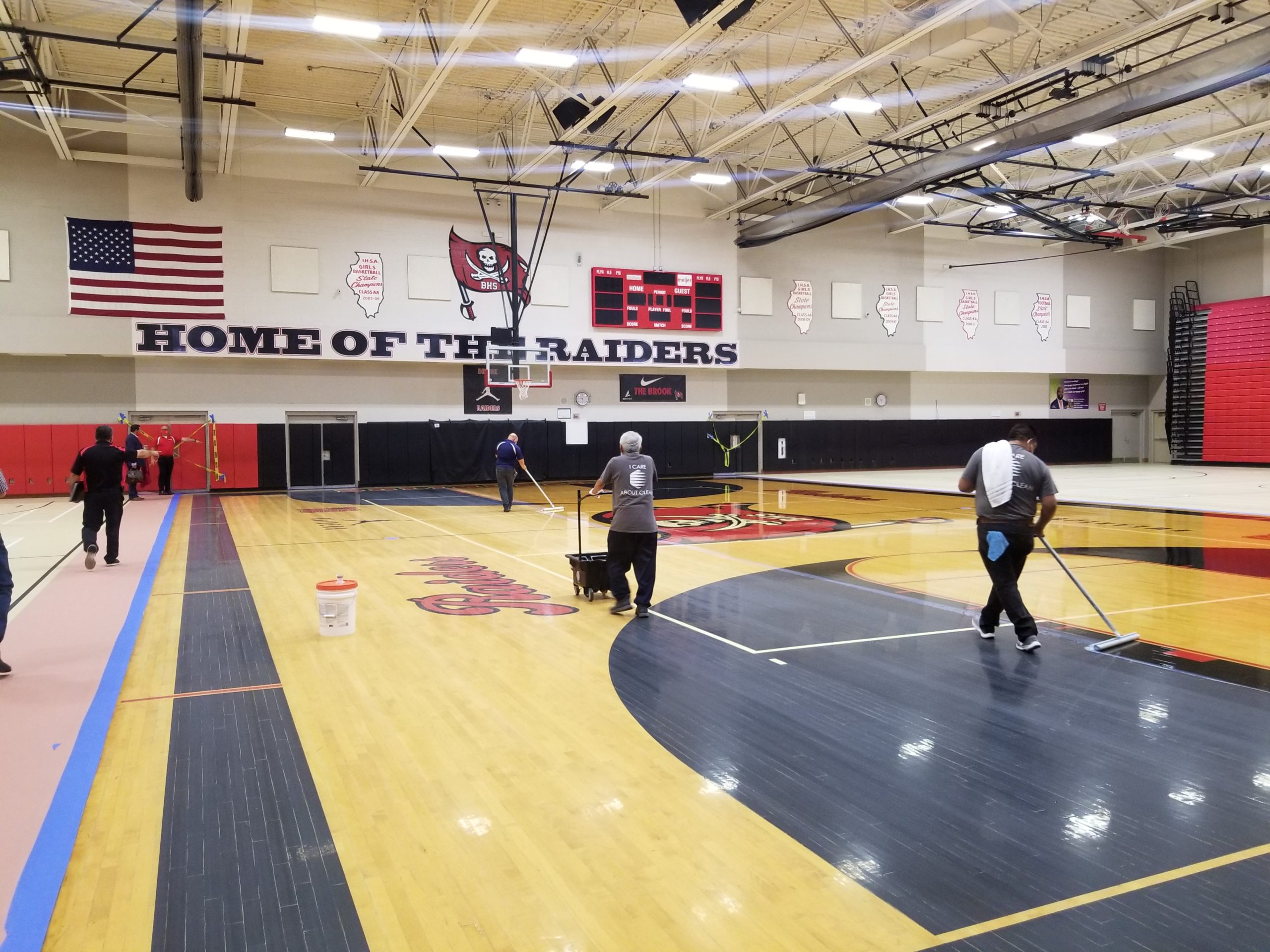
Wood flooring needs to be sealed to prevent absorption of oil and water. It can be slippery when wet if highly glossed or polished.  

Concrete 

A concrete floor’s slip resistance depends on finish and wear. In particular, rounded aggregate can be slippery when concrete wears. Interior surfaces are often sealed to prevent dust accumulation and absorption of liquids, but this can increase slipperiness. 

Vinyl composition tile (VCT) 

VCT is a common type of flooring and is easy to clean yet slippery when wet, particularly if polished. Thicker, softer vinyl is more slip resistant than hard vinyl.  

Finding the Right Floor Care Balance  

Wear and tear of floors is more common when they are not cleaned on a regular basis. Consistent floor care can save your facility money by extending the lifespan of the flooring and upholding brand reputation.  

Consider the following floor care strategies to keep these surfaces looking their best:  

Vacuum regularly  

Vacuuming is essential for removing dirt and dust from floors, especially before applying cleaning chemicals. Cobotic, or collaborative robotic vacuums are an asset to your floor care program. They navigate through mapped cleaning routes and safely avoid obstacles while picking up soils. Best of all, you can monitor these automated machines remotely. 

Automate the labor-intensive parts of floor care 

One of the main challenges is the lack of visibility into cleaning status and performance. Supplementing manual labor with cobots enables cleaning teams to be more productive and gives you a clear view of the floor care process, because you can access operational data like machine run-time and routes completed. In addition to automated vacuums, you can use cobotic floor scrubbers that apply cleaning solutions to hard surfaces.  

Avoid cross-contamination 

It’s important to not contaminate clean floors with dirty water. Ensure cleaning professionals are utilizing a dual-cavity mop bucket when possible, which separates clean water from dirty water, thereby reducing soil deposits back onto freshly cleaned floor surfaces.  

Provide formal training 

Occasionally, certain areas are going to need to be cleaned a second time, which could be a sign your team needs additional training. Conducting formal training enables you to highlight proper floor care methods and potential safety risks to enable your team to be more efficient without sacrificing performance.  

Standardize cleaning protocols with SOPs 

Establish standard operating procedures (SOPs), or written standards that inform your staff of all the necessary tools, supplies and protocols for floor care. SOPs are beneficial because they ensure consistency and reduce the need to reclean due to mistakes. They also increase confidence, as staff will know exactly what is expected of them. 

Getting First Impressions Right 

In order to give your facility the best first impression, having clean, safe flooring is important. Clean with the appropriate chemicals where needed and address floors regularly to avoid accumulation of soils and moisture. With a dedicated cleaning team and the right equipment in place, your floors will always impress building visitors and occupants.  

Our experts care about clean and have a pulse on how to make cleaning effective, cost-efficient and safe. Contact GSF USA here and follow us on LinkedIn and Facebook for the latest updates.