The start of a new school year brings excitement, new routines and plenty of activity. It also brings hundreds or sometimes thousands of students, teachers, staff and visitors back into shared spaces every day.
After a quieter summer, preparing a school for full occupancy requires more than making classrooms look clean. A thoughtful back-to-school cleaning strategy should focus on the areas that experience the most traffic and contact, including high-touch surfaces, restrooms, cafeterias and other shared spaces.
By taking a proactive approach before and after students return, schools can create a cleaner, safer and healthier environment from the very first day.
Start with High-Touch Surfaces
High-touch surfaces are some of the most important areas to prioritize when preparing a school for the new year. Door handles, light switches, handrails, faucets, drinking fountains, shared technology and other frequently handled surfaces can see hundreds of interactions throughout the day.
Before students return, cleaning teams should thoroughly clean these surfaces and establish a routine for maintaining them once school is back in session. High-traffic areas may require more frequent attention throughout the day, particularly during cold and flu season or when illness is circulating.
It’s also important to remember that cleaning and disinfecting are not the same thing. Surfaces should be cleaned according to the appropriate procedures before applying a disinfectant, and products should always be used according to their label directions, including required contact or dwell times. A consistent touchpoint-cleaning routine helps schools stay ahead of buildup and supports a healthier environment for everyone who uses the building.
Prepare Restrooms for Increased Traffic
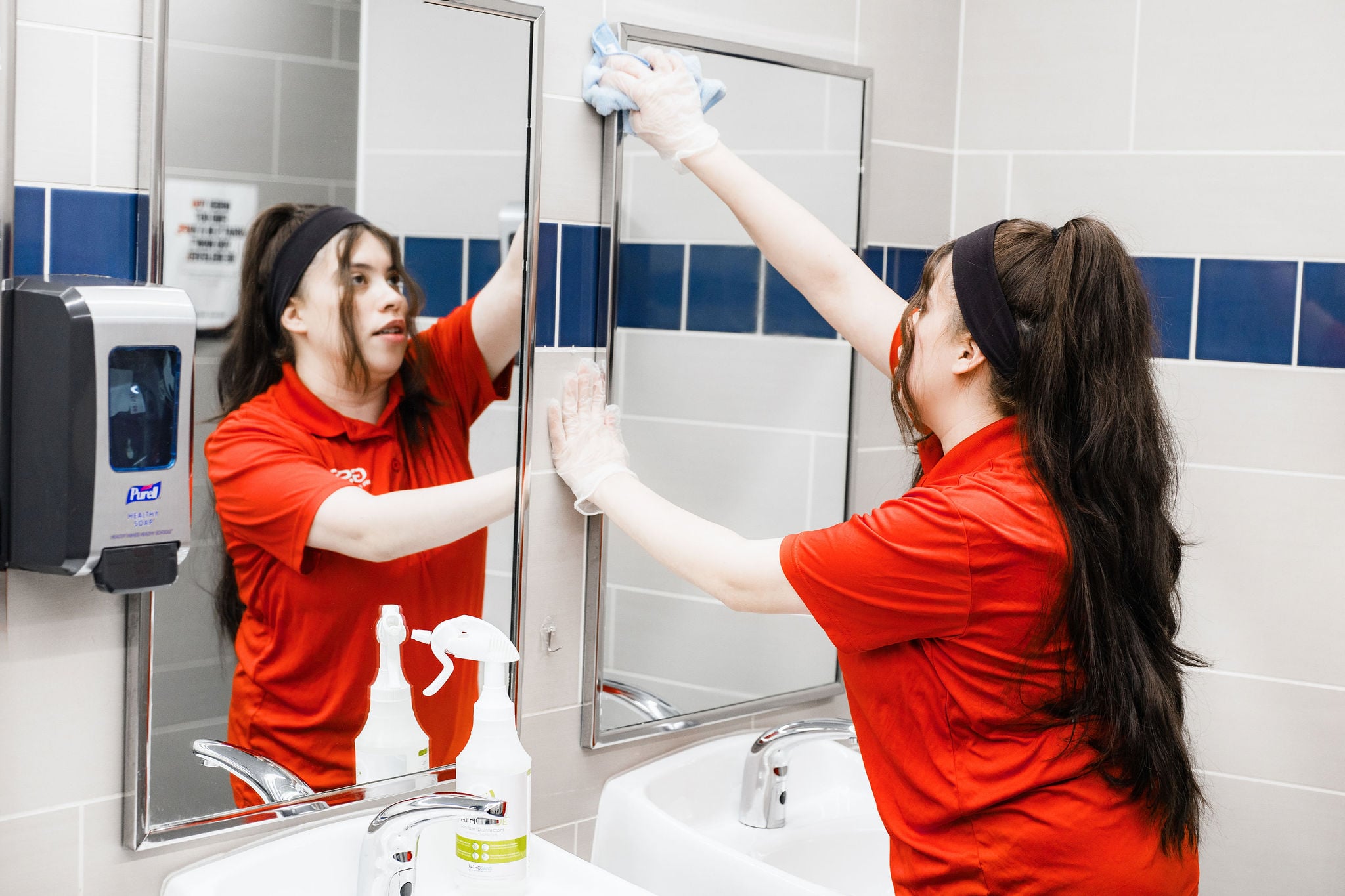
Few areas in a school experience as much daily traffic as the restrooms. Preparing them before students return and maintaining them throughout the school year is essential to both hygiene and the overall perception of the facility.
Before the first day, cleaning teams should pay particular attention to toilets and urinals, sinks and faucets, countertops, partitions, mirrors, floors, doors and other high-touch surfaces. Restrooms should also be checked to ensure soap, paper towels, toilet paper and other necessary supplies are stocked and ready.
Once school begins, restrooms should be inspected regularly rather than relying solely on scheduled cleaning at the end of the day. Quick checks throughout the day can identify empty dispensers, spills, overflowing waste receptacles or other issues before they become larger concerns. A clean, well-stocked restroom does more than support hygiene. It demonstrates to students and staff that their health, safety and comfort are a priority.
Give Cafeterias Extra Attention
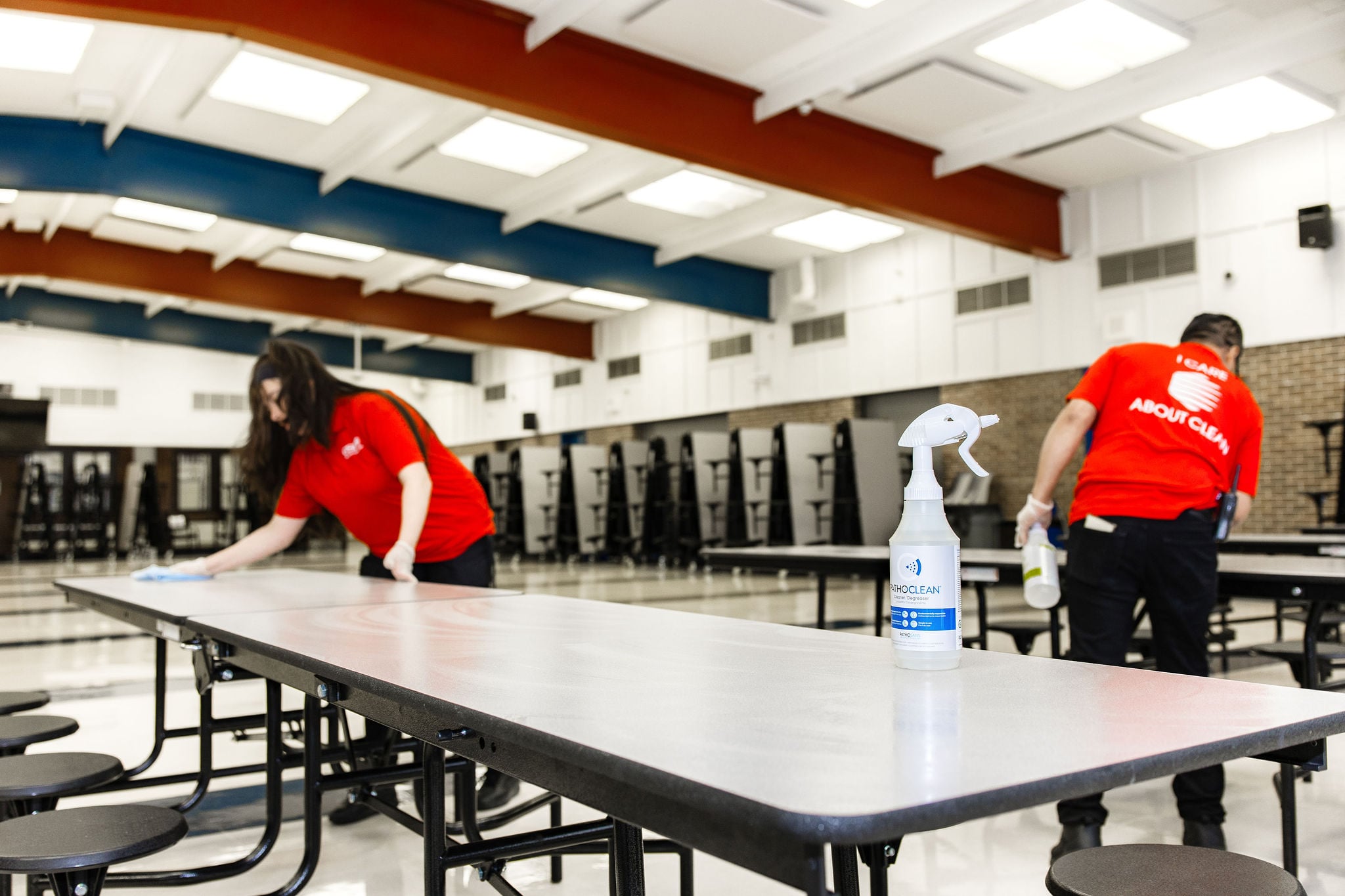
Cafeterias are another area where cleaning standards matter. Tables, chairs, countertops, serving areas, floors, trash receptacles and other surfaces can quickly accumulate food debris and spills during busy lunch periods.
Before students return, schools should consider a thorough cleaning of cafeteria surfaces, floors, equipment exteriors and other areas that may have received less attention during the summer. Once school is in session, cleaning schedules should account for the rapid turnover of students throughout the day.
Tables and other food-contact surfaces should be cleaned using procedures and products appropriate for the surface and use. Floors should also be monitored throughout meal periods for spills and debris that could create slip hazards.
Because cafeterias can go from quiet to extremely busy in a matter of minutes, having a plan for responding quickly to spills and other messes is just as important as routine cleaning.
Don’t Forget Shared Spaces
While classrooms, restrooms and cafeterias are obvious priorities, other shared areas deserve attention as students return. Hallways, libraries, gyms, locker rooms, offices, stairways and entryways can all experience significant traffic.
These spaces should be incorporated into the school’s overall cleaning plan, with frequency based on how heavily each area is used. Entryways may need additional attention during rainy weather, while gyms and locker rooms may require specialized floor and surface care. A facility-wide approach helps ensure that cleaning efforts aren’t concentrated in just one or two areas while other spaces are overlooked.
Build a Routine That Continues Beyond the First Day
Back-to-school preparation shouldn’t end when students walk through the doors. The most effective cleaning programs combine thorough preparation with consistent daily and periodic cleaning throughout the school year.
Cleaning schedules should account for building occupancy, traffic patterns, special events, seasonal illness and the unique needs of each space. Supervisors can also use regular inspections and communication with school staff to identify areas that may need additional attention.
This proactive approach makes it easier to address issues early and maintain consistent standards as the school year gets busier.
A Healthy Start Begins with a Clean School
By prioritizing high-touch surfaces, preparing restrooms, maintaining cafeterias and establishing consistent cleaning routines, schools can start the year on the right foot and continue those standards throughout the year.
At GSF USA, we understand the unique demands of educational facilities. Our teams provide comprehensive cleaning, maintenance and groundskeeping services designed to help schools create clean, safe and healthy environments for students, staff and their communities.