One Year Later: How COVID-19 Transformed the Cleaning Industry

The onset of the COVID-19 pandemic challenged the cleaning industry and changed the public’s expectations of cleanliness, specifically in places like grocery stores, airports, restaurants and hotels. Looking back on the past year, it is safe to say that facilities are no longer cleaning just for appearance. Heightened infection prevention protocols will become a mainstay to ensure employees, customers and other building visitors are entering a safe and healthy environment. As we continue to make progress in our fight against COVID-19, it’s more important than ever to understand how this crisis has transformed the cleaning industry.  

The Pandemic’s Lasting Impact 

Much has changed since March 11, 2020 when the World Health Organization (WHO) officially declared a global pandemic, including: 

Supply chain stability is more important than ever.

When the pandemic hit, supply chains were overwhelmed by the increased demand for cleaning chemicals, toilet paper, hand sanitizer and personal protective equipment (PPE). In fact, the demand for hand sanitizer alone reportedly increased by 1,400% between December 2019 and January 2020, requiring manufacturers to add more production shifts Consequently, many organizations struggled to secure cleaning and disinfectant solutions. In some cases, this meant that cleaning professionals were working with products they had not been properly trained to use. Moving forward, it will be important for manufacturers and facilities to have an adequate emergency stockpile of solutions available and provide proper training so that product safety and efficacy aren’t compromised when a crisis occurs. 

The public is more concerned with cleanliness and hygiene.

Before COVID-19, many people assumed “if it smells clean, it must be clean.” That is no longer the case, as statistics show the public’s increased concern for cleanliness and hygiene. For example, in a Nov. 2020 Harris Poll53% of respondents stated that the level of cleanliness in a hotel would influence their intent to book a future stay at the property. Another study revealed 82% of customers agreed common areas within a restaurant should be visibly wiped down regularly.  The public is also more aware of their own personal hygiene. Studies found that 90% of Americans are washing their hands more frequently, thoroughly or longer during the pandemic and nine in 10 Americans claim they’ll continue these handwashing best practices after the pandemic. Conducting cleaning regularly and making hand hygiene essentials accessible will help instill confidence among building occupants and visitors.

Scrutiny around product efficacy increases.

The public and facility managers have become more skeptical of cleaning solutions following the United States Food and Drug Administration’s (FDA) recalls of contaminated hand sanitizer and companies making false claims about product efficacy against COVID-19. Before the United States Environmental Protection Agency (EPA) launched List N, facility managers did not have much information about what products were effective against the virusAs a result, facility managers will  have to carefully review the manufacturer’s instructions to make sure products are effective against pathogens of concern and deliver on their performance claims. 

Sustainability becomes top of mind.

The pandemic has resulted in a sharp increase in the use of cleaning chemicals, masks, gloves, disinfectant wipes and more. Curbing excessive waste is key to reducing the environmental impact of cleaning programs. Many facilities are also looking for ways to enhance indoor air quality and the overall health and safety of building occupants through certification programs like the U.S. Green Building Council’s Leadership in Energy and Environmental Design (LEED) and Green Seal. Looking ahead, it will be important for facility managers to take a closer look at how their chemicals, tools and equipment impact people and the planet, and work with service providers that share their sustainability mindset.  

Custodians gain recognition and respect.

Cleaning personnel are now seen as essential workers and heroes who help protect people against potentially deadly pathogensIn fact, some have been working 12-hour shifts right alongside doctors throughout the pandemic. In a June 2020 survey, 56% of respondents said they regard custodians much more highly than they did before the pandemic. It will be important for the industry to continue to stand by cleaning professionals and provide them with the necessary education, tools and PPE so they can do their jobs safely. 

Meeting New Standards of Cleanliness 

In the wake of the pandemic, facilities must make long-term commitments to their cleaning programs, which means investing in well-trained cleaning staff, effective cleaning solutions and emergency stockpiles to give customers and employees peace of mind. This global crisis has brought a newfound appreciation for the cleaning industry, with more people recognizing the role that cleanliness plays in protecting public safety. As we move forward, the cleaning industry will continue to be a vital resource for reducing the spread of harmful pathogens and saving lives. 

Make a long-term commitment to cleanliness with the help of GSF USA. For more information, contact the GSF office nearest you. Follow us on LinkedIn and Facebook for the latest updates.
Celebrating the People who Care about Clean

Welcome to our first edition of “Celebrating the People who Care about Clean,” a quarterly spotlight series on employees who have recently celebrated milestone work anniversaries. At GSF USA, we understand the important role that our team plays in keeping our customers’ facilities clean and safe. This has become even more important over the last year as the world grappled with new risks presented by the COVID-19 pandemic. Each day, our professionals showcase their expertise, dedicated service and attention to detaias they work to protect public health and safety 

 We are committed to cultivating an enriching workplace that challenges and celebrates our employees. Our rewarding and innovative culture encourages longer tenure than other service providers in the industry. We are proud to have many staff members celebrating major milestones with GSF USA 

Below is who we’re celebrating this quarter. We congratulate everyone on their incredible loyalty and service and look forward to many more years together! 

20th Anniversaries  

 Deanna T., senior accountant, GSF USA 

After first serving as an intern, Deanna was hired as a staff accountant on Feb. 5, 2001. She now leads accounts receivable and is the senior accountant on the GSF USA accounting team. Her financial acumen is unmatched, and her dedication to her career and to GSF’s success and growth is inspiring. Deanna’s favorite aspects of working for GSF USA are the people she’s worked alongside for many years, the stability and growth of the company, and the flexibility that’s been offered during the pandemic. 

Veronica C., area manager, GSF Indiana 

Veronica joined the GSF USA team on Jan. 26, 2001. She has been promoted twice during her tenure and is now an area manager on the GSF Indiana Team. Our area managers oversee daily operations, making them an integral part of our success. Veronica is skilled at balancing the needs of her employees, and her favorite part about being an area manager is knowing that clients are satisfied with the work her and her team have done. 

5th Anniversaries  

 Teresa H., staff accountant, GSF USA 

After first serving as a temporary replacement, Teresa was hired as a staff accountant on Dec. 31, 2015. She now leads accounts payable on the GSF USA accounting team, meaning that we all have Teresa to thank for expertly managing our relationships with our suppliers “I love the people I work with, the experience I’ve received and above all, GSF is my work family. I feel blessed to be part of GSF USA and want to be part of the team as we continue to grow in 2021, adds Teresa. 

Luis T., branch manager, GSF Illinois 

Luis joined the GSF USA team on Dec. 28, 2015Over the last several years, he has been promoted and is now a branch manager on the GSF Illinois Team. Luis describes himself as an outgoing person and enjoys the collaborative environment and that his coworkers are always available to help him. He likes being a branch manager because he has opportunities for growth for not only himself but his team as well.  

Ana A., area manager, GSF Illinois 

Ana was also hired on Dec. 28, 2015Since then, she has been promoted twice and serves as an area manager on the GSF Illinois Team. In her role, every day is different. Ana has proven herself skilled at balancing the many responsibilities that area managers have.  According to Ana, “GSF stands out from other companies because they appreciate, respect and celebrate employees and customers every day. The values GSF is built on are everything I believe in and that’s why it’s the perfect place for me to work. GSF not only rewards hard work but gives employees a meaningful career and the knowledge, tools and support to achieve your goals.” 

Jose A., area manager, GSF Illinois 

Jose is celebrating five years with GSF and currently serves as an area manager. Because he started with GSF as a cleaning technician and has worked his way up to a managerial role, he feels he is well-positioned to understand his team’s needs and help them be successful in their careersBeing able to help others is one of his favorite parts of working at GSF.  


In addition to our managers, we would also like to recognize our hardworking hourly employees for their recent anniversary milestones. We thank them for helping us deliver cleanliness to customers every day.  

 20th Anniversary  

  • Gumercindo Cabrera, GSF Indiana  

 5th Anniversaries  

  • Gustavo C., GSF Illinois 
  • Ramon D., GSF Illinois 
  • Reyna M., GSF Illinois
  • Jose M., GSF Illinois 
  • Rolando R., GSF Illinois 
  • Nayib R., GSF Illinois  
  • Azucena G., GSF Indiana 
  • Alberto I., GSF Indiana 
  • Jose M., GSF Indiana 
  • Mauricio P., GSF Indiana 
  • Lucia R., GSF Indiana 
  • Ramiro R., GSF Indiana 
  • Gudelia R., GSF Indiana 

Interested in becoming part of our incredible team? Visit our online CAREERS page and follow us on LINKEDIN and FACEBOOK for the latest hiring updates.  


GSF’s Green Cleaning Service Certified by Green Seal

Des Plaines, Ill. – GSF USA, a global cleaning services company, has earned Green Seal certification for its expert use of responsible cleaning practices that are among the healthiest and most sustainable in the nation. The company, which services 25 millionsquarefeet a day, will immediately begin servicing the Chicago-area Aptakisic-Tripp School District with its Green Seal-certified Ecologique program and soon plans to expand the service to additional school districts and commercial office locations.  

To earn certification, GSF met Green Seal’s stringent Cleaning Services Standard (GS-42) requirements for cleaning equipment and procedures, chemicals, employee training, product labeling, and communication. Green Seal conducts rigorous on-site inspections to verify each requirement before awarding a prestigious certification mark. 

A Commitment to Sustainability 

GSF-USA’s Green Seal-certified Ecologique cleaning program includes: 

Sustainable cleaning chemicals

GSF cleans and disinfects with safe and sustainable electrochemically activated solutions (ECAS) made with just salt, water, and electricity. 

High-tech equipment

GSF uses the most advanced equipment possible, including robotic technologies, to minimize water and energy consumption while prolonging the lifespan of flooring assets.

Environmentally sourced consumables

GSF uses products such as microfiber towelssoap and paper products that align with the most progressive environmental standards. 

Documented training & procedures

Every employee completes a minimum of 24 hours of training to ensure they’re well-versed in cleaning best practices.  

Leadership development through GSF University

GSF offers leadership training that teaches cleaning professionals how to increase efficiency, cleaning quality and sustainability  

 “In today’s environment, cleaning well has never mattered more. Cleaning service providers who meet Green Seal’s rigorous health and environmental criteria are uniquely qualified to provide exceptional cleaning and disinfection while also protecting indoor air quality and respiratory health for the building occupants.  This is more critical in schools than anywhere else” said Doug Gatlin, CEO of Green Seal. “GSF didn’t just commit to green cleaning – they sought out rigorous third-party certification to verify that they are leaving no stone unturned in their mission to protect the health of their customers.” 

The Ecologique program offers the highest standard of cleaning for customers while minimizing environmental impact,” said Troy Bargmann, president, GSF USA. “We’re honored to receive this prestigious certification and look forward to instilling greater confidence among customersfacility occupants and visitors through our sustainable cleaning program.” 

ABOUT GSF USA

Founded in 1963, Group Services France (GSF) is an international cleaning solutions company providing commercial cleaning and support services for a wide variety of facilities spanning the globe. Based in France, GSF has international branches in England, Spain, Canada, Monaco and the United States. GSF established U.S. operations in 1987. The U.S Corporate Headquarters and home office for the Indiana business is in Indianapolis, Ind. The home office for the Ohio business is in Cincinnati, Ohio and the home office for the Illinois business is in Des Plaines, Ill. Learn more at gsf-usa.com. 

ABOUT GREEN SEAL, INC. 

Green Seal® is a global nonprofit organization with a mission to transform the economy for a healthier, greener world. Since 1989, Green Seal has applied rigorous standards for health, environmental sustainability and product performance to its certification programs to empower better purchasing decisions. Green Seal has certified thousands of products, services and spaces from hundreds of leading companies including 3M, Ecolab, Georgia Pacific, Hilton, Westin, Marriott and Staples, and is specified by countless schools, government agencies, businesses and institutions. Green Seal-certified cleaning providers service more than 1 billion square feet of commercial building space across the USA. Visit greenseal.org or connect with Green Seal on Facebook, Twitter, and LinkedIn. 


How to Return to Work Safely

More than a year after the U.S. reported its first coronavirus cases, many organizations are still using caution when welcoming employees back to their offices. While some businesses may not yet be ready for on-site office hours, it’s best for all organizations to be prepared for an eventual return as the vaccine becomes more widely available. Read on to learn more about employee confidence related to the return to work and how your business can ensure a safe and successful transition once the time comes.

Considering Employee Concerns

The outlook on employee confidence around returning to work is not encouraging. According to Honeywell’s global 2020 Building Occupant Survey Report, 83% of all respondents have continued to work inside a building either full or part time. Only 54% of them think their building management has taken steps to keep them safer.

Looking at U.S. workers, the majority do not have faith that changes made over the last year will remain in place. The report reveals that 61% of U.S. workers believe building management is more likely to make short-term changes in response to the pandemic versus long-term investments​. Additionally, 40% of all global respondents feel that building or facility management is responsible for implementing safeguards, rather than their employer.

The findings suggest that facility managers are facing an uphill battle, and that if they cannot continue to meet the new standard of cleanliness, employers may struggle to convince professionals to return to work.

Your Return-to-Work Plan

Your business can properly prepare for the return to in-office working by following these four recommendations:

Pivot to a daytime cleaning schedule.

Consider working with your cleaning service provider to develop a day-time cleaning schedule that showcases your commitment to curbing the spread of pathogens. Having cleaning professionals begin their work during the morning hours allows them to address high-touch surfaces while employees are present. These include door handles, desks, appliances, elevator buttons and more.

Confirm the use of safe and sustainable solutions.

Every cleaning program needs to consider the safety of cleaning staff and building occupants. Unfortunately, there are many products that can have a negative impact on indoor air quality, asthma, allergies and more. Confirm that your building service contractor uses safe and sustainable cleaners and disinfectants that meet efficacy standards. For example, electrochemically activated solutions (ECAS) are cleaners and disinfectants made from salt, water and electricity. The disinfectant can inactivate SARS-CoV-2 in 60 seconds on pre-cleaned surfaces. It is also effective against Norovirus, which is one of the most difficult viruses to inactivate.

Consider social distancing guidelines.

It’s unlikely that your office will be ready to welcome back every employee due to occupancy concerns. To make employees feel comfortable working around others again, develop a plan for social distancing that includes a rotating schedule to limit the total number of occupants in the building at a time. Revise the floor plan and include floor markings to ensure employees have a reasonable amount of distance from others. Wall signage, email reminders and table tents on desk can all be helpful for notifying people of the social distancing precautions.

Determine your mask policy.

Wearing a face mask is simple, yet lifesaving according to multiple studies. In fact, the United States is experiencing historically low flu activity this season in part because people are wearing masks. Depending on the size of your organization, consider requiring employees to wear masks for the duration of the workday. You may determine that masks in common areas is more appropriate instead. Whatever policy you put in place, be sure that employees also have access to hand hygiene essentials like soap and sanitizer so that they can further reduce the spread of germs.

A Successful Transition from Remote to In-person Work

Whether your business is planning to return to work after COVID-19 or during the pandemic, there are necessary steps that you need to take to ensure employee wellbeing. Working with a qualified and professional service provider to develop a comprehensive plan will help provide peace of mind and reduce risk. Your return-to-work program should include cleaning and disinfecting of high-touch surfaces, regular restocking of essentials and adherence to health and safety guidelines. Not only will employees be happy that the organization is considering their needs, they’ll be able to focus more on their work, thereby enhancing productivity and profitability.

Get your business ready for the return of employees with support from GSF-USA. For more information, contact the GSF office nearest you. Follow us on LinkedIn and Facebook for the latest updates.

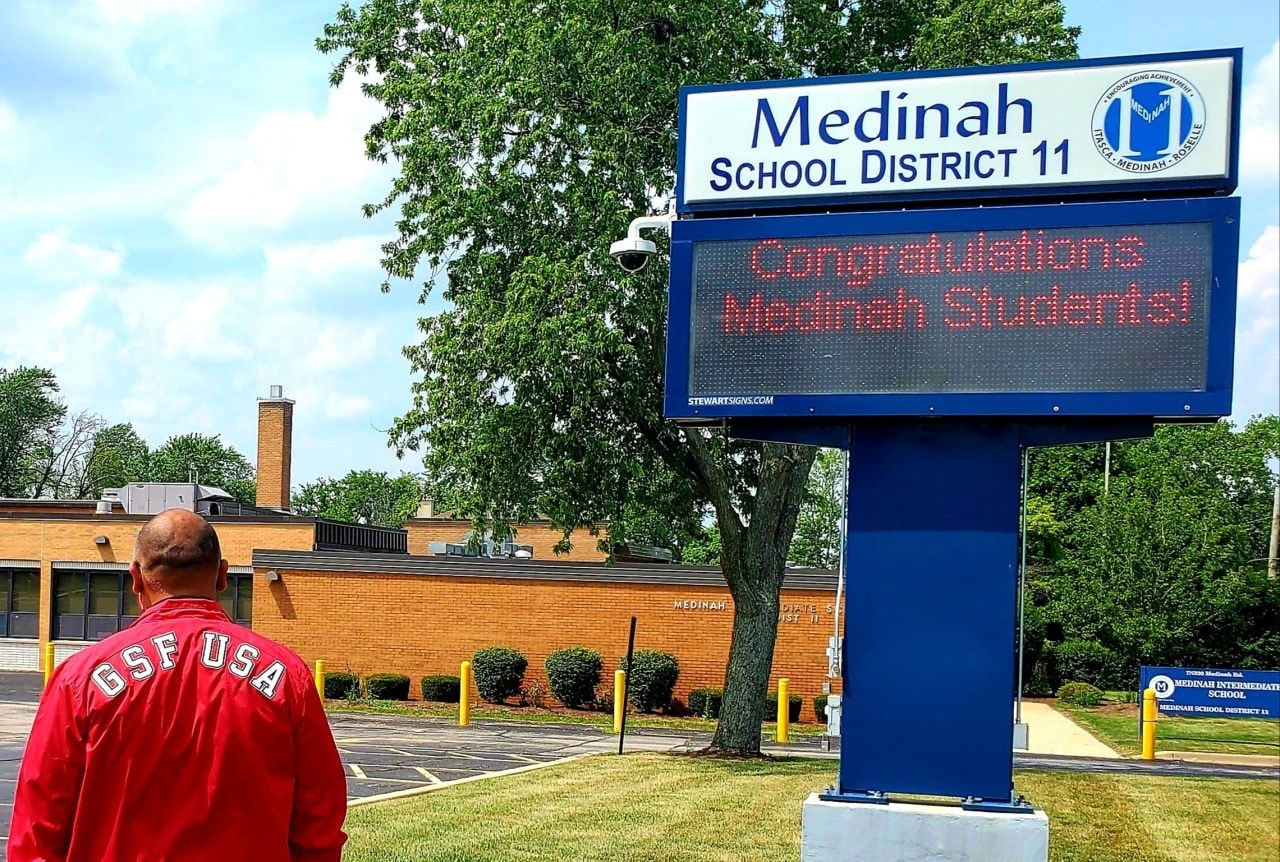
GSF Supports Healthy Learning at Medinah School District

Challenge

Medinah School District in Roselle, Ill. serves more than 600 students across its primary, intermediate and middle schools. Given that the district operates with the motto “Every Student. Every Day.”, it’s no surprise that it sought a thoughtful approach to maintaining its schools in the wake of the novel coronavirus pandemic.

Teachers, students, parents and administrators had reservations about returning to in-person learning during the 2020-2021 academic year and wanted to be certain that the district was prioritizing the wellbeing of everyone who learns and works in these buildings, as well as the community at large.

“Our main objective at Medinah School District is to provide an environment that is healthy for students and conducive to high-quality learning,” said Marco Rajcevich, Director of Operations, Medinah School District. “By rethinking the way we clean, and introducing safer solutions, we can face today’s challenges.”

Solution

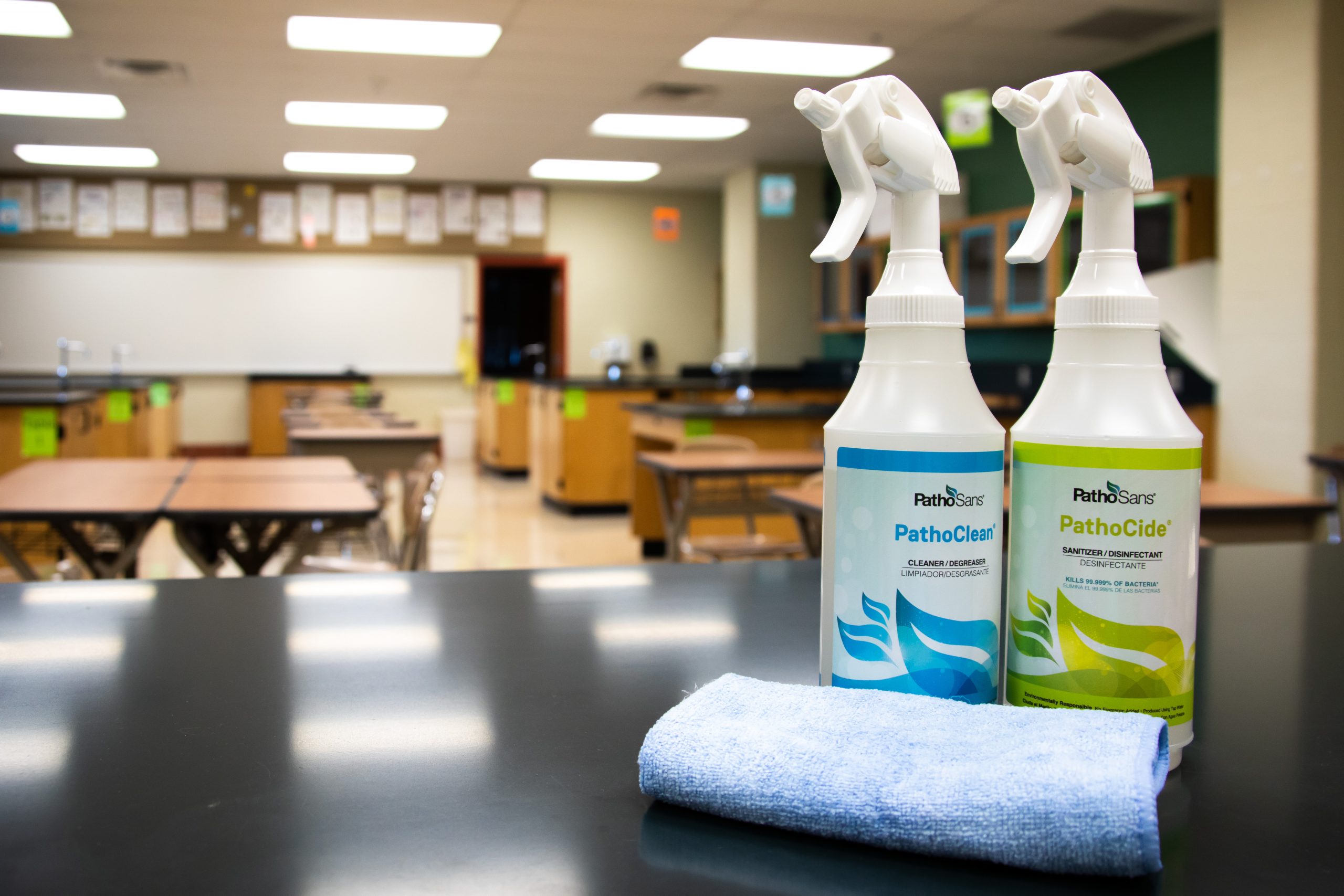
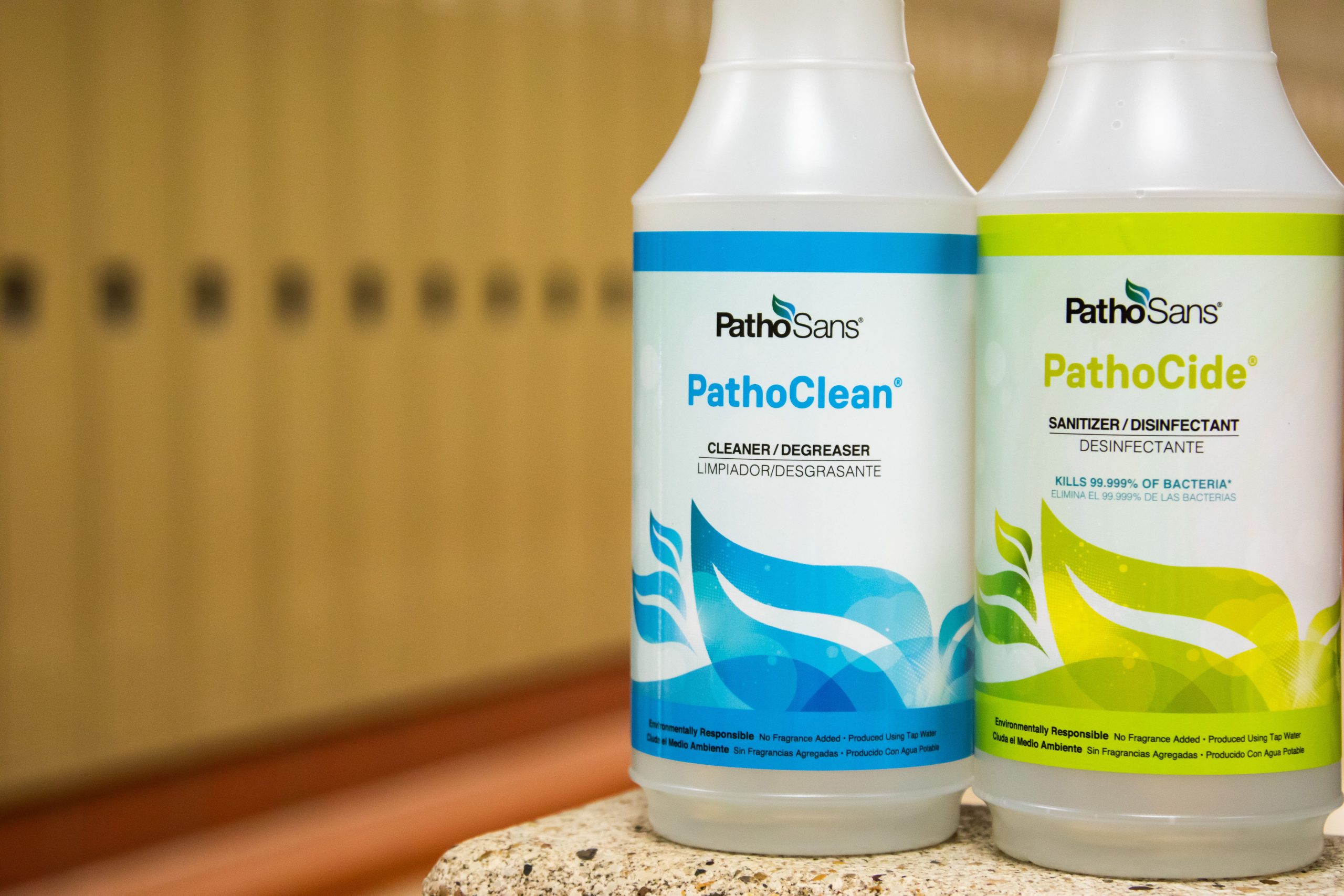
In August 2020, GSF USA, a global cleaning services provider, installed an on-site generation (OSG) system from PathoSans® at each of the district’s schools. The PathoSans systems use three simple ingredients – water, salt and electricity – to produce two electrochemically activated (ECA) solutions: PathoClean®, a cleaner/degreaser, and PathoCide®, a sanitizer/disinfectant.

The systems support GSF’s promise of cleaning for health and safety through the use of non-irritating cleaning and disinfecting solutions. The district also knows that cleaning solutions are always available because they are generated daily in the schools’ custodial closets.  On-site and on-demand generation of cleaner and disinfectant eliminates reliance on shipments of conventional cleaning chemicals from suppliers.

“At GSF, we take pride in recruiting, training and retaining employees who are champions for cleanliness at our customers’ sites. We supply employees with the necessary tools to do their job well,” said Grant Mackall, Operational Asset Manager, GSF. “The PathoSans system fits in nicely with our goals and the districts’ because employees always have the cleaning solutions they need to maintain the buildings.”

Results

Through the use of PathoSans’ systems, GSF USA and the district realize the following benefits:

Eradicate pathogens of concern.

PathoSans solutions have demonstrated efficacy against human coronavirus and other viruses more resilient to disinfection. PathoCide has been proven by an independent GLP laboratory to inactivate the SARS-CoV-2 virus in 60 seconds on a pre-cleaned surface and in 10 minutes in a one-step process when produced by an on-site generator and used as directed. In addition to inactivating viruses, the solutions are also effective at killing a wide variety of bacteria and fungi. According to Mackall, “it’s easy to find cleaning chemicals that kill pathogens of concern. The challenge is finding chemicals safe enough to use every day. With PathoSans, we have effective and safe solutions.”

While the PathoSans solutions look like water, they are well-suited to tackle today’s viral, bacterial and fungal threats. PathoClean enables surface cleaning and biofilm removal ahead of disinfection to ensure workers can effectively kill or inactivate pathogens. Regular, long-term use of PathoClean helps restore hard surface finishes without leaving residues that can impact appearance and attract dirt.

Reassure students, parents and staff of the schools’ cleanliness.

The pandemic has resulted in fear regarding the cleanliness of public facilities. The district’s cleaning processes go a long way in reassuring faculty, students and parents that the district’s buildings are thoroughly cleaned with effective and non-irritating solutions. Adds Rajcevich, “with the help of GSF and PathoSans, I feel confident about having students return safely to Medinah School District.”

Enable opportunities for in-person learning.

The district’s buildings are being cleaned more frequently, making the use of environmentally responsible products crucial. Conventional chemicals can be toxic and corrosive and pose environmental and health hazards. With no added fragrances and three ingredients, PathoClean and PathoCide help preserve good indoor air quality and won’t aggravate conditions like allergies and asthma, creating a better learning environment for students and faculty.

Empower cleaning teams.

Custodial teams want to know that their work contributes to the overall success of the district. By using products that eliminate pathogens without compromising safety, employees feel empowered to do their best work so students can focus on learning. Luis Tovar, Branch Manager at GSF says: “Because of our partnership with PathoSans, I have what I need to do my job well. This is a safe environment where I feel confident working.”

“The PathoSans system has helped us create healthier learning environments across Medinah School District,” added Mackall. “We are using the best products available. Because they are responsible, effective and always available, PathoClean and PathoCide meet the needs of many and provide comfort for all.”

Why the Wellbeing of Cleaning Professionals is a Top Priority

From hospitals and long-term care facilities to schools, college campuses, and office buildings, custodians and building cleaners have been on the frontline of the COVID-19 pandemic ensuring all areas are cleaned and disinfected. Even before the pandemic, cleaning professionals worked tirelessly to keep facilities clean. Ensuring they have the proper personal protective equipment (PPE) or training is key to keeping them safe.

The pandemic is shining a spotlight on the important role that cleaning staff play in protecting public health and safety. It’s more important than ever to recognize the work they do and prioritize their needs. Facility managers who provide their cleaning staff with the right tools to complete their job safely and effectively will foster a loyal employee-employer relationship that minimizes turnover and increases morale.

Recognizing the Risks

When the pandemic hit, custodians and other cleaning professionals were at the highest risk of being affected by the virus due to their essential worker classification. Some custodians were expected to work long shifts without the proper PPE due to widespread shortages. In fact, the Service Employees International Union found that one in five of their members didn’t have gloves and two in five didn’t have face masks.

Expecting custodians to risk their lives by handling biohazards and caustic chemicals, and deal with strenuous and labor-intensive motions without the proper protection is unfair. We depend on cleaning professionals to keep our communities safe and it’s important that we recognize the risks they take each day just by coming to work.

Best Practices to Improve Employee Wellbeing

Consider implementing the below strategies to give in-house staff the support they deserve while reducing risk and turnover. If you work closely with a building service contractor (BSC) to support your facility’s cleaning needs, determine how well the organization lives up to these best practices.

Conduct thorough and regular training.

Training is one of the most important ways to improve your employees’ wellbeing. It should occur during the onboarding process and throughout their tenure to ensure that they are up to date with the most current procedures and information. The pandemic caused a disruption in the supply chain that resulted in many BSCs and facility managers exploring new cleaning chemical options and equipment. Custodial workers needed proper training on these products and technologies to avoid lapses in safety. Investing in education and reviewing your training program annually will result in a larger ROI, ensure consistent cleaning performance, reduce risk and improve employee retention.

Upgrade to non-toxic cleaning chemicals.

Traditional cleaning chemicals contain potentially toxic ingredients and strong fragrances that can aggravate conditions like allergies and asthma. Staff are cleaning more frequently than they were before, which is why it’s important to utilize an on-site generation (OSG) system to create non-irritating solutions with just water, salt and electricity. Otherwise known as electrochemically activated solutions (ECAS), the cleaner and disinfectant are compatible with one another and replace the majority of chemicals required to maintain a facility. This greatly limits the chances of employees creating unsafe chemical mixtures. Utilizing an OSG system also eliminates supply shortages that can result in staff having to use unfamiliar or unsafe chemicals.

Provide the proper PPE.

While using safer chemicals reduces reliance on PPE like gloves and eye protection, it is important for employers to give staff access to equipment that enhances peace of mind. This includes face masks in addition to disposable gloves and protective eyewear when needed. PPE adds an extra layer of protection against contagious viruses while also instilling confidence in building visitors that the facility takes their pandemic precautions seriously.

Offer continuing education and benefits.

Offering continuing education options, such as leadership courses through partnerships with local universities, shows your employees that you want to see them grow professionally within your organization. Give your employees additional educational opportunities by enrolling them in certification courses that expand upon best practices for maintaining safe facilities. Separately from cleaning and leadership courses, consider healthcare and 401(k) options that offer long-term benefits. This can set an organization apart from competitors, as most hourly employees in the cleaning profession do not have access to these benefits.

Show Your Appreciation

As custodians and cleaners continue their work on the frontline of the pandemic, managers can take steps to set their employees up for success. Providing training, safer chemical options, continuing education and rewarding benefits prove that an employer cares about employees. Showing your appreciation can promote a culture that values worker wellbeing and helps reduce employee turnover.

At GSF-USA, we’re proud to invest in our people and their wellbeing, now and after the pandemic. For more information, contact the GSF office nearest you. Follow us on LinkedIn and Facebook for the latest updates.
How Green Cleaning Supports Indoor Air Quality

According to the Environmental Protection Agency (EPA), indoor air quality (IAQ) can often be two to five times worse than outdoor air quality. Indoor air pollution is problematic because it can have short-term and long-term effects on building occupants. Short term effects can include eye and nose irritation, headaches and fatigue, while long-term effects related to chronic exposure can range from respiratory illnesses to heart disease or even cancer.

Numerous types of indoor air pollutants make it difficult for facility managers to maintain good IAQ. These pollutants are often classified into three categories:

  • Biological pollutants: These pollutants often irritate allergy sufferers, and even those without allergies. They include mold, tree and flower pollen, pet dander and dust mites.
  • Chemical pollutants: Volatile organic compounds (VOCs) like acetone, ethanol and butanal are formed from carbon and other elements. These compounds vaporize at room temperature and are found in many household and commercial items. Other examples of chemical pollutants include lead and radon.
  • Combustion pollutants: These include carbon monoxide, a potentially deadly odorless, colorless and tasteless gas, and smoke from tobacco products.

A more sustainable approach to cleaning combined with tried-and-true tips can help facility managers overcome concerns about IAQ.

Successful Strategies for Improving IAQ

Many types of facilities have indoor air concerns, from hotels in warmer climates to restaurants with kitchen exhaust systems and schools welcoming children with asthma and allergies. It’s important to have a plan for improving IAQ levels over time.

Consider the following best practices for achieving and maintaining better indoor air quality:

Conduct indoor air quality testing.

Before taking steps to improve IAQ, it helps to know a facility’s current levels. This will provide a baseline and enable facility managers to track progress over time. Indoor air quality monitors (i.e., meters that detect IAQ) help managers determine current levels in comparison to indoor air quality standards and set goals for improvement.

Go green with your cleaning.

While a commitment to cleaning and disinfecting is essential, it’s also important for facility managers to take a close look at the types of chemicals being used and the overall impact of their cleaning program. Building service contractors (BSCs) should always use high-quality cleaning solutions that won’t add VOCs to the air. Fragrance-free and dye-free products are often preferred because they can avoid aggravating those with allergy sensitivities.

Some BSCs have even opted to use electrochemically activated solutions (ECAS) that are made from water, salt and electricity. These solutions are sustainable, much safer compared to traditional chemicals, and do not have any harmful additives. In addition to ECAS, there are many other green strategies that BSCs rely on to improve occupant health and safety, and minimize environmental concerns.

Follow a regular cleaning schedule.

Cleaning removes particles in indoor air, and those that have settled on or within surfaces. Regularly vacuuming with HEPA filtered vacuums can help remove allergens like dander, pollen and dust mites from carpet fibers and other types of flooring. Cleaning surfaces also removes dust and improves the look of a facility. Meanwhile, disinfecting kills bacteria that can become airborne. For every cleaning task, opting for sustainable chemicals, tools and equipment is preferred.  They not only reduce risks to cleaning professionals and building occupants, but they also help facilities limit water, energy and waste. Some green cleaning solutions are certified by reputable organizations like Green Seal or the Carpet and Rug Institute, which vouch for the effectiveness and safety of the product or service.

Conduct maintenance on indoor systems.

Regularly maintain ventilation systems and replace carbon monoxide detector batteries as needed. Air conditioning and dehumidifier systems are key to removing excess moisture from the air and eliminating warm and humid conditions that encourage dust mites and mold. Over time, air conditioning coils, pans and filters can become dirty, which negatively impacts the performance and energy usage. Improve air flow and extend the life of assets by following a regular cleaning schedule for equipment. Efficient air systems also reduce the risk that occupants will open windows, which can let in outdoor pollutants.

Be aware of poor IAQ causes and signs.

There are a range of symptoms and signs related to poor IAQ. If building occupants seem especially lethargic or frequently feel under the weather, it may be time to course correct the IAQ strategy to alleviate irritations. Cleaning staff and maintenance personnel should also know how to identify pollutants like mold and mildew. If a facility is smoke-free or pet-free, employees may need to reinforce these rules if they are broken to help maintain good IAQ.

Sustainability Supports Cleaner Indoor Air

Because poor indoor air quality can have an immense impact on the wellbeing of building occupants, it is important for facility managers to prioritize maintaining good IAQ. Regular cleaning and disinfecting can help remove and control indoor air pollutants while limiting the risk of health-related triggers. A sustainable approach is always preferred, as it tackles biological pollutants and keeps some chemical pollutants from being added to indoor air. With a green cleaning program in place, and compliance with the other best practices above, facility managers and BSCs can improve IAQ and ensure that every visitor has an exceptional experience in their buildings.

Achieve cleaner environments with the help of GSF-USA. For more information, contact the GSF office nearest you. Follow us on LinkedIn and Facebook for the latest updates.
GSF USA Opens Office in Greater Rockford Area

LOVES PARK, Ill.—Jan. 12, 2021  GSF USAa leading provider of cleaning services, today announced the opening of a new office to serve the Greater Rockford area. Situated at 6180 East Riverside Boulevard, Loves Park, Ill.the new location is expected to create nearly 100 job opportunities for frontline cleaners, supervisors and management staff by the end of 2021. 

Over the last several years, we have seen tremendous growth for our business in the Greater Rockford area,” said Troy Bargmannpresident, GSF USA. “We are excited to further solidify our presence in this areaprovide new job opportunities and look forward to helping customers in Rockford maintain cleaner and healthier facilities.”  

The pandemic ushered in a new standard of cleanlinesscreating a need for increased cleaning protocols and additional staff members. Many facility managers are concerned with the efficacy, safety and sustainability of their cleaning and disinfecting processes. GSF is uniquely positioned to address these concerns with its focus on proper employee training along with using the latest technology and implementing safer and more environmentally friendly cleaning solutions 

We are excited for the opportunity to contribute to the growth of the greater Rockford area community,” said David Jackson, branch manager, GSF Rockford. “At GSF, we care about clean. This expansion will enable us to better serve Rockford-area schools, commercial offices and other businesses that want to provide clean facilities for their occupants, visitors and employees.” 

About GSF USA
Founded in 1963, Group Services France (GSF) is an international cleaning solutions company providing commercial cleaning and support services for a wide variety of facilities spanning the globe. Based in France, GSF has international branches in England, Spain, Canada, Monaco and the United States. GSF established U.S. operations in 1987. The U.S Corporate Headquarters and home office for the Indiana business is in Indianapolis, Ind. The home office for the Ohio business is in Cincinnati, Ohio and the home office for the Illinois business is in Des Plaines, Ill. Learn more at gsf-usa.com. 


Proof of Clean in the Age of Covid-19

The COVID-19 pandemic has resulted in heightened awareness of the importance of cleaning among consumers and throughout facilities. In this new era of clean, it’s critical that facility managers and building service contractors (BSCs) are vocal about the steps they are taking to ensure facilities are clean and safe. Organizations can no longer rely on customers believing “if it smells clean, it must be clean.” Now, they need to provide “proof of clean” to instill confidence among customers and employees who may have doubts or fears about cleanliness and the spread of COVID-19 in their facility.

So how can facility managers reiterate that cleanliness is their top priority? Read on for tips about how to address concerns by making the cleaning process more visible.

How to Showcase your Commitment to Cleanliness

With so many uncertainties, facilities must continue to reiterate the steps their cleaning staff are taking to address viruses, bacteria, and other threats. Consider the following best practices to enhance your cleaning program and provide peace of mind for customers, occupants, and visitors.

Increase the frequency of cleaning.

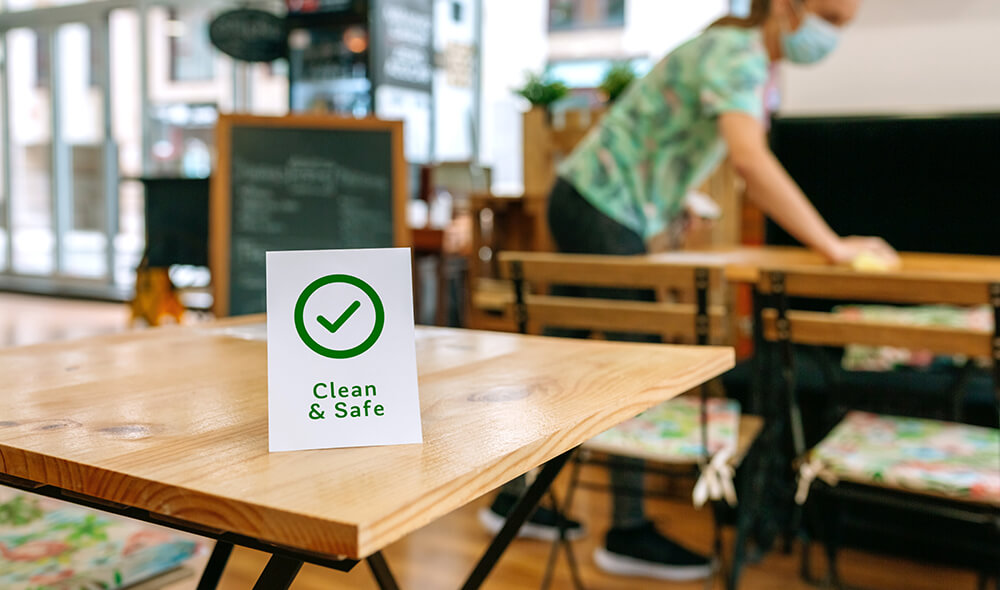
Businesses should increase the frequency of cleaning in high-traffic areas where people may spread germs more easily. This allows cleaning professionals to regularly address the buildup of germs on surfaces such as doorknobs, handrails, elevator buttons, light switches, and more. Facility managers can also create a log that documents each area’s cleaning schedule and post it on a door or wall so it is highly visible to visitors.

Conduct daytime cleaning.

Prior to the current pandemic, many facilities would schedule general and deep cleanings overnight to avoid disruptions during the busiest hours of operation. To enhance transparency, consider rescheduling cleaning to daytime hours so customers can see cleaning taking place. This not only develops a level of trust between customers and your business, but it also boosts employee morale. Cleaning staff can work more desirable hours and will take pride in the fact that their employer is taking the proper steps to keep everyone safe.

Utilize on-site generation.

On-site generation (OSG) of electrochemically activated (ECA) solutions require just three ingredients. Facilities use water, salt, and electricity to produce a non-irritating and fragrance-free cleaner and disinfectant. OSG allows facilities to meet increased cleaning and sanitization requirements and protects against supply chain disruptions that could result in a shortage of conventional chemicals. With this approach, cleaning staff and customers won’t worry that your organization has run out of essential cleaning solutions or that subpar products are being used.

Select the best products and apply them correctly.

Using safe and effective solutions is key, especially during a pandemic. Although some chemicals such as bleach can kill many viruses and bacteria, the fumes are unsafe for cleaning staff, building occupants, and visitors. However, there are several ways to confirm your facility is using the appropriate products. Check the efficacy claims on the product label or review the EPA’s List N to see if the disinfectant is effective against SARS-CoV-2, the virus that causes COVID-19. If you opt for ECA solutions, confirm the on-site generation device is registered and approved to make cleaning and disinfecting solutions.

It’s also important for cleaning professionals to understand how to properly use each chemical. For example, every disinfectant and sanitizer has a dwell time, which is defined by the U.S. Environmental Protection Agency (EPA) as “the amount of time that [it] must be in contact with the surface, and remain wet, in order to achieve the product’s advertised kill rate.” Chemicals are unique and their respective dwell times may differ. Closely following the manufacturer’s instructions ensures the products are working as intended.

Overcommunicate with employees and customers.

Businesses should develop and implement a thorough internal communications plan that informs employees of new cleaning practices and expectations. An external communications plan is also essential for clearly educating customers on cleaning and disinfecting strategies. Distribute this information via in-person training sessions with employees, customer e-newsletters, social media, wall posters, flyers, and tabletop signage.

Going Beyond “Good Enough”

If there’s anything that the pandemic has taught us, it is that the “good enough” approach to cleaning is no longer “good enough.” Many facility managers have had to readjust their cleaning programs to instill greater confidence among customers and employees. With a sound approach to cleaning in place that focuses on visible, thorough, and regular cleaning and disinfecting, organizations can mitigate uncertainties building occupants may have during their next visit.

Instill customer confidence in the age of COVID-19 with the help of GSF-USA. For more information, contact the GSF office nearest you. Follow us on LinkedIn and Facebook for the latest updates.