Reducing Illness in the Workplace with Cleaning Protocols for Peak Virus Season
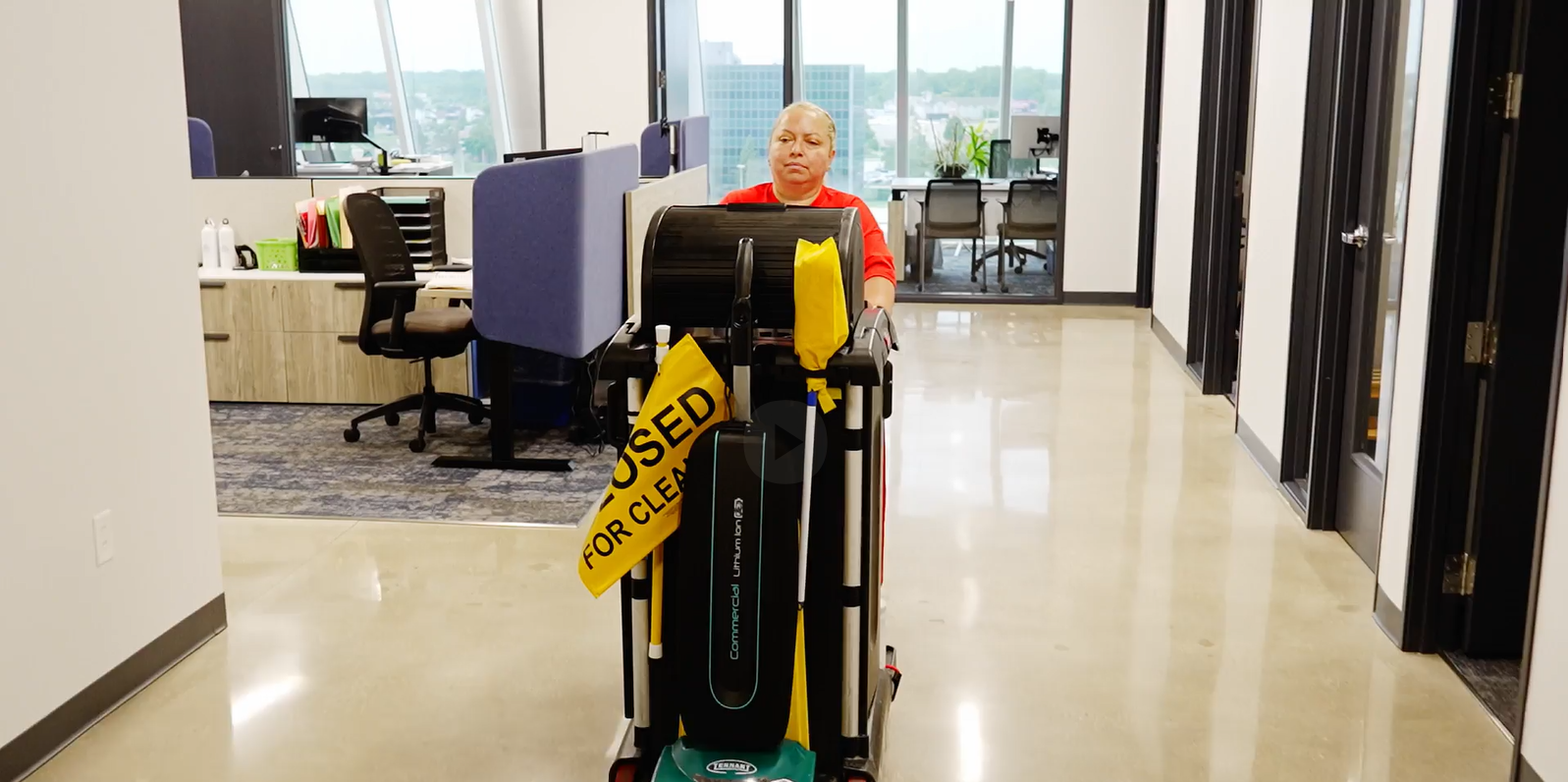
As temperatures cool, forcing people to spend more time indoors, workplaces can become hotspots for the spread of seasonal viruses. While cleaning alone cannot prevent every illness, a consistent cleaning and disinfection strategy can reduce germs on frequently touched surfaces and support a healthier workplace.
Respiratory virus season typically lasts from October through April, peaking in December- February, making now the ideal time to evaluate whether your current cleaning schedule matches the way your facility is actually being used. From high-touch surfaces to shared restrooms and hybrid workspaces, small adjustments can make a meaningful difference.
Here are three areas facility leaders should prioritize.
1. Focus on High-Touch Surfaces
Not every surface in a workplace sees the same amount of contact. During peak virus season, cleaning teams should pay close attention to high-touch surfaces handled frequently throughout the day.
These may include:
- Door handles and push plates
- Light switches
- Elevator buttons
- Handrails
- Faucets and restroom fixtures
- Shared keyboards, phones, and other equipment
- Break room appliances and handles
- Conference room tables and shared surfaces
A touchpoint disinfection plan should be based on actual traffic and usage. High-traffic areas may require more frequent attention than spaces that are used less often.
It’s also important to distinguish between cleaning and disinfecting. Cleaning removes dirt and debris from surfaces, while disinfecting uses an appropriate product to kill or inactivate germs. When disinfecting, always follow the label directions, including the required contact time.
Rather than treating every surface the same, facility teams can prioritize the areas where frequent contact makes the greatest difference.
2. Don’t Overlook Restroom Hygiene
Restrooms are among the most-used shared spaces in a workplace, making consistent hygiene crucial during peak virus season.
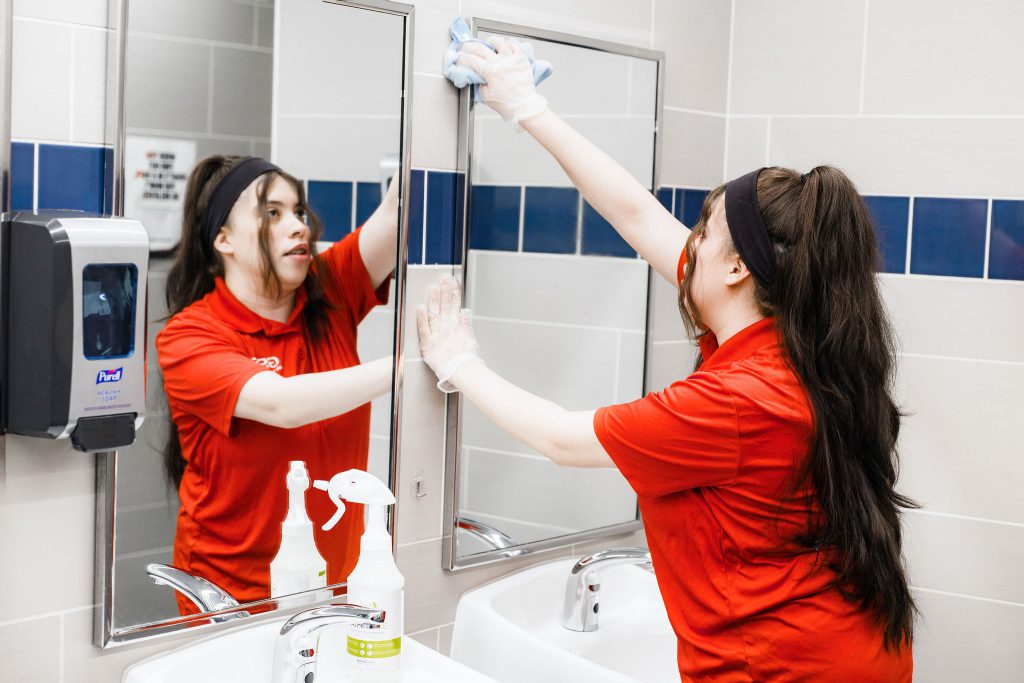
A strong restroom cleaning protocol should address more than toilets and floors. High-touch areas such as faucet handles, flush mechanisms, door handles, dispensers and countertops should receive regular attention.
Restrooms should also be checked throughout the day to ensure they remain clean, dry and properly stocked. Replenish soap, paper towels, toilet tissue and other essential supplies before they run out.
Facility teams should also watch for spills, standing water, overflowing waste receptacles, and other conditions that can impact cleanliness and overall experience. Regular inspections can help identify issues between scheduled cleanings and allow teams to respond before a small problem becomes a larger one.
3. Adapt Cleaning Schedules to Hybrid Workplaces
Hybrid work has changed how often many offices are used. Some spaces may be heavily occupied on certain days and relatively quiet on others. That creates an opportunity to rethink traditional cleaning schedules. Instead of applying the same cleaning frequency to each area every day, facility leaders can consider a more flexible, usage-based approach.
For example, cleaning teams might prioritize:
- High-occupancy days:
Increase attention to shared workspaces, conference rooms, break rooms, restrooms, elevators and other high-traffic areas. - Lower-occupancy days:
Use the opportunity for deeper cleaning, floor care, dusting, detail work or maintenance activities that may be easier to complete when fewer employees are on site. - Shared spaces:
Maintain consistent cleaning and touchpoint disinfection regardless of individual desk occupancy, particularly in areas used by multiple employees.
Base a hybrid cleaning schedule on the facility’s actual traffic patterns rather than the calendar. Building occupancy data, employee schedules, customer needs and observations from cleaning teams can all help determine where resources are most needed.
Make Communication Part of the Protocol
A successful virus-season cleaning strategy doesn’t only focus on what gets cleaned; it also includes communication. Cleaning teams should have clear procedures for reporting areas that need additional attention. Facility leaders can also communicate cleaning expectations with employees, particularly around shared spaces and personal work areas.
Simple reminders can encourage employees to wash their hands regularly, stay home when they are sick and follow workplace health policies. Clear communication between facility managers, cleaning teams and building occupants helps everyone understand their role in maintaining a healthy workplace.
Review Your Protocols Before Peak Season
The best time to evaluate a cleaning program is before demand increases. Facility leaders can use the beginning of peak virus season to review cleaning frequencies, identify high-touch surfaces, evaluate restroom inspection schedules and determine whether current staffing and supplies are sufficient.
It can also be an opportunity to collect firsthand feedback from cleaning teams. Frontline employees often know which areas see the most traffic, where supplies run out fastest and which spaces need extra attention. These insights can help facility leaders make practical adjustments that improve both efficiency and service.
A Proactive Approach to Workplace Cleaning
No single cleaning schedule works for every workplace. The most effective approach considers how a facility is used and adjusts cleaning protocols accordingly. By prioritizing high-touch surfaces, maintaining consistent restroom hygiene and adapting cleaning schedules to hybrid work patterns, organizations can create a proactive strategy for peak virus season.
A healthy workplace supports employee well-being, protects the condition of the facility and creates an environment where people can feel comfortable doing their best work. With the right protocols and commitment to consistency, facility teams can be prepared for whatever the season brings.

Related Insights
Celebrating Those Who Care About Clean at GSF USA
At GSF USA, our people are at the heart of everything we do. Every day, our team members bring dedication, pride and care to their…
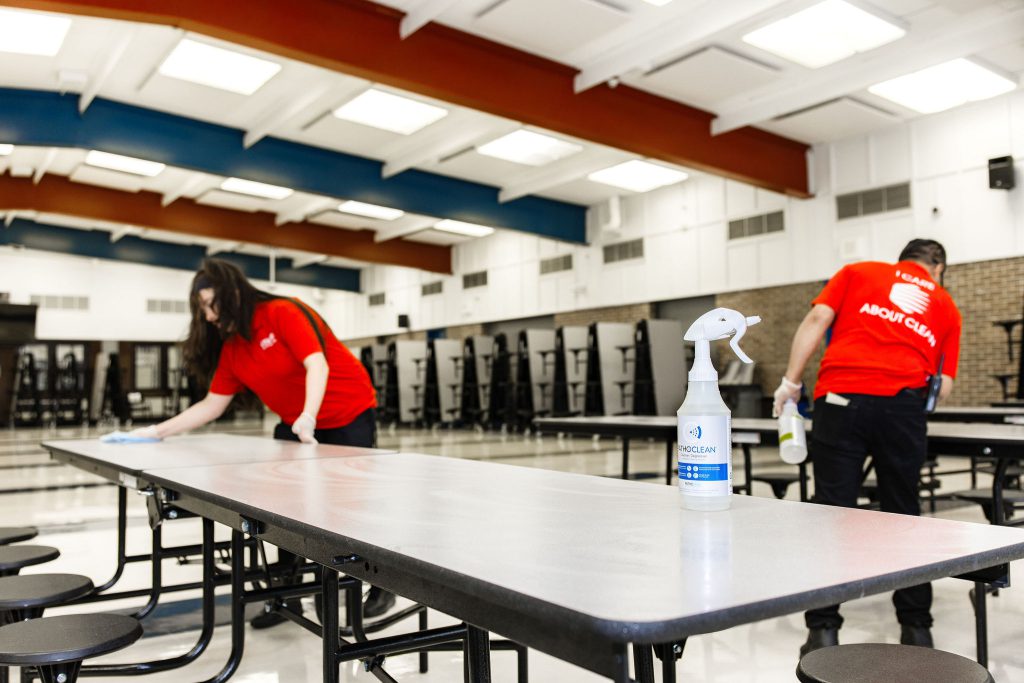
Back-to-School Cleaning Strategies for a Healthy Start
The start of a new school year brings excitement, new routines and plenty of activity. It also brings hundreds or sometimes thousands of students, teachers,…
5 Signs Your School or Office Needs a Mid-Summer Facility Check-In
A mid-summer facility check-in allows facility managers to address small issues before they become costly repairs, improve occupant comfort and ensure the building is ready…