As the weather cools and classrooms and offices fill up again, flu season is never far behind. Every year, influenza and other respiratory viruses spread rapidly in shared spaces, leading to increased absenteeism and disruption. While vaccines and good personal hygiene play an important role, consistent and thorough cleaning is one of the most effective ways to stop the spread of illness before it starts.
At GSF USA, we believe that proactive cleaning and disinfection are essential to keeping schools and workplaces safe and healthy. Here’s how a few strategic steps can make a big difference this flu season.
-
Focus on High-Touch Surfaces
Flu viruses can survive on hard surfaces for up to 48 hours, making shared touchpoints easy transmission hotspots. Pay special attention to frequently handled items such as:
- Door handles and push plates
- Light switches
- Desks, tables and countertops
- Computer keyboards, phones and shared electronics
- Faucet handles, restroom fixtures and handrails
Regularly disinfecting these surfaces using EPA-approved disinfectants helps reduce the spread of germs and supports a healthier environment for everyone.
-
Implement Routine Disinfection Protocols
Daily cleaning is essential, but during flu season, disinfection should be stepped up in both frequency and thoroughness. High-traffic areas like cafeterias, lobbies, restrooms and meeting rooms require multiple cleanings each day.
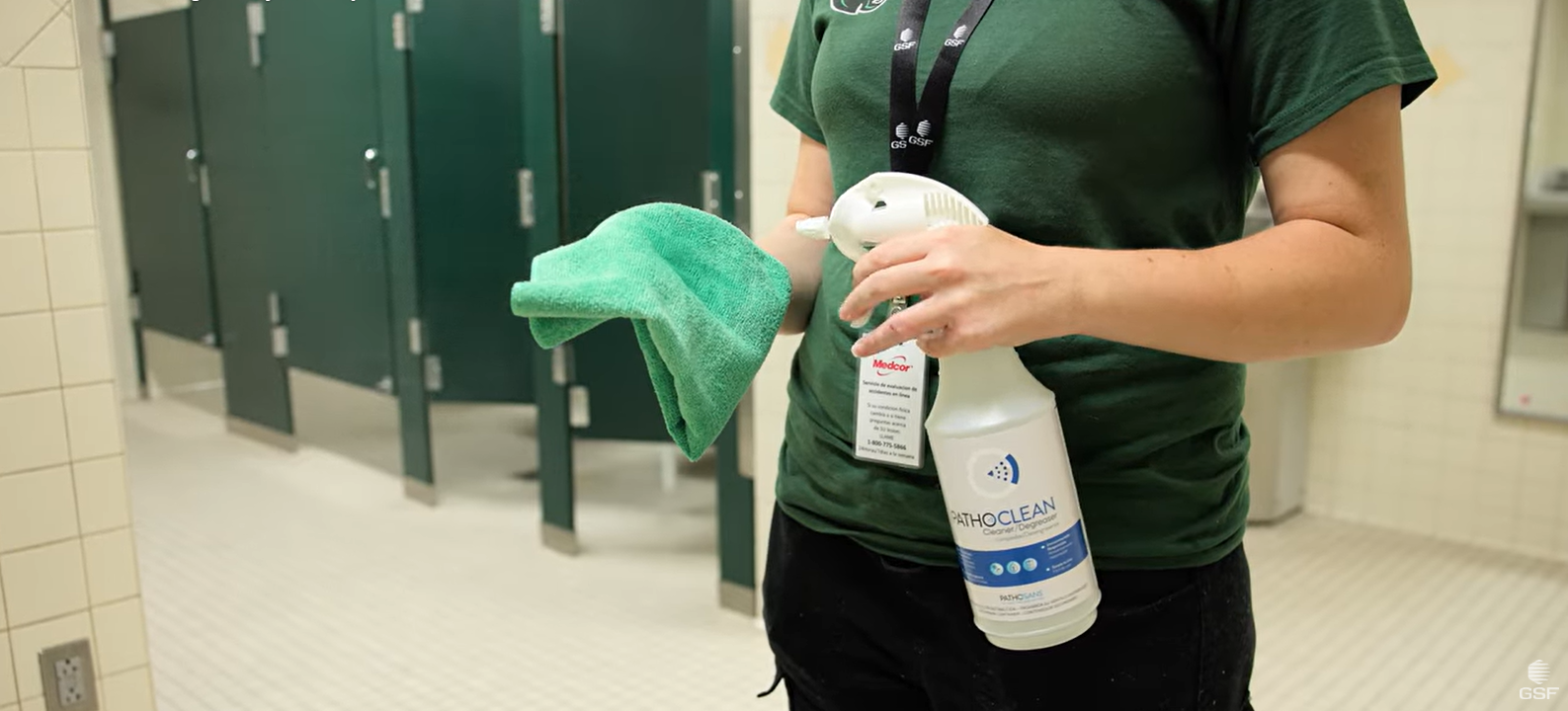
GSF’s disinfection protocols rely on proven, eco-friendly products and techniques to eliminate pathogens effectively without introducing harsh chemicals into the air. Using electrostatic sprayers or microfiber systems can help efficiently and safely cover larger surface areas.
-
Encourage Hand Hygiene and Shared Responsibility
Cleaning teams can make a significant impact, but prevention is most effective when everyone participates. Encourage staff and students to practice regular handwashing with soap and warm water for at least 20 seconds. Placing hand sanitizer dispensers at entrances, classrooms, and break areas makes it easier for people to keep their hands clean throughout the day.
Simple reminders such as posters or digital signage can go a long way toward reinforcing good hygiene habits.
-
Don’t Overlook Restrooms and Break Rooms
Restrooms and break rooms are two of the most critical areas during flu season. These spaces are heavily used daily and are prime spots for germ transmission. Restock soap and paper towels regularly, disinfect sinks and counters multiple times a day, and pay close attention to high-touch points like appliance handles, faucet knobs and light switches.
A visibly clean and well-maintained restroom or break room also builds confidence, showing employees, students and visitors that their health and safety are top priorities.
-
Schedule Deep Cleaning and Preventive Maintenance
Periodic deep cleaning complements daily cleaning routines by targeting hard-to-reach areas and addressing buildup that regular cleaning might miss. This includes carpet and floor care, upholstery cleaning and HVAC maintenance to improve air quality and circulation.
Scheduling deep cleaning during weekends or school breaks helps maintain healthier spaces and keeps operations running smoothly throughout flu season.
A Clean Space Is a Healthy Space
Flu season doesn’t have to disrupt learning or productivity. With the right cleaning strategies, preventive disinfection and everyone in the building’s commitment, schools and offices can reduce the spread of illness and create safer, more comfortable environments.
At GSF USA, we take pride in helping organizations prepare for flu season with professional cleaning solutions designed to protect what matters most: people. Because when it comes to health and wellness, We Care About Clean!