
When it comes to facility management, it’s easy to focus on issues that demand immediate attention, such as a broken fixture, a stained carpet, a malfunctioning HVAC unit or damaged flooring. But some of the most effective facility management strategies happen long before a problem occurs.
Preventive maintenance is the proactive approach to maintaining a building’s systems, surfaces and infrastructure before costly repairs become necessary. Whether managing a K-12 school, a higher education campus, an office building or a commercial facility, investing in routine maintenance can extend asset life, improve occupant comfort, reduce operational costs and create a safer environment for everyone who enters the building.
At GSF USA, we often remind our customers that protecting a facility is far more cost-effective than repairing one.
Why Preventive Maintenance Matters
Buildings are significant investments. From flooring and furnishings to HVAC systems and exterior grounds, every asset experiences wear and tear over time. Without regular attention, small issues can quickly escalate into major problems that require expensive repairs or premature replacement.
Preventive maintenance helps facility leaders shift from a reactive mindset to a proactive one. Instead of responding to emergencies, organizations can identify and address concerns early, reducing downtime and improving budget predictability.
The U.S. Environmental Protection Agency (EPA) notes that routine cleaning and maintenance programs help prevent indoor air quality issues, pest problems and system failures that can negatively impact building occupants and increase operating costs.
Educational Facilities: Protecting Learning Environments
Schools face unique facility challenges. Hundreds, if not thousands, of students, faculty, staff and visitors move through educational buildings every day. High traffic levels can accelerate wear on flooring, restrooms, cafeterias, gymnasiums and common areas.
Preventive maintenance in educational settings may include:
- Regular floor refinishing and carpet care
- HVAC inspections and filter replacements
- Restroom fixture maintenance
- Roof and drainage inspections
- Playground and athletic field upkeep
- Exterior landscaping and grounds management
These seemingly small tasks play an important role in preserving the facility while supporting student health and learning outcomes. When maintenance is deferred, schools often face larger repair projects that can disrupt learning and strain already limited budgets.
Commercial Facilities: Supporting Productivity and Professionalism
For office buildings and commercial properties, facility conditions directly influence employee experience, customer perception and operational efficiency.
Preventive maintenance helps commercial facilities:
- Extend the lifespan of flooring and furnishings
- Improve indoor air quality
- Reduce equipment downtime
- Lower long-term repair costs
- Maintain a professional appearance
- Support employee wellness and productivity
For example, a routine HVAC inspection may reveal a clogged filter or worn component before it impacts system performance. Addressing the issue early can improve energy efficiency and prevent a much larger repair later.
Similarly, regular floor maintenance can help protect a significant investment. Refinishing resilient flooring or performing scheduled carpet extraction can add years to the life of flooring materials while maintaining a clean, professional appearance.
Small Tasks That Deliver Big Results
Many preventive maintenance activities are simple, but their impact can be significant.
Examples include:
- Floor Care
- Routine cleaning, polishing and refinishing protect flooring from premature wear and help avoid costly replacement projects.
- HVAC Maintenance
- Regular inspections, filter changes and vent cleaning support indoor air quality and system efficiency while extending equipment lifespan.
- Restroom Upkeep
- Checking fixtures, repairing leaks and maintaining dispensers can prevent water damage and improve occupant satisfaction.
- Exterior Maintenance
- Maintaining landscaping, cleaning entryways and inspecting walkways helps create a positive first impression while reducing safety risks.
- Lighting and Fixtures
- Replacing aging bulbs and maintaining fixtures improves visibility, energy efficiency and occupant comfort.
When performed consistently, these activities can significantly reduce the likelihood of major failures and emergency repairs.
The Connection Between Cleaning and Maintenance
Cleaning and maintenance are often viewed as separate functions, but they work best together.
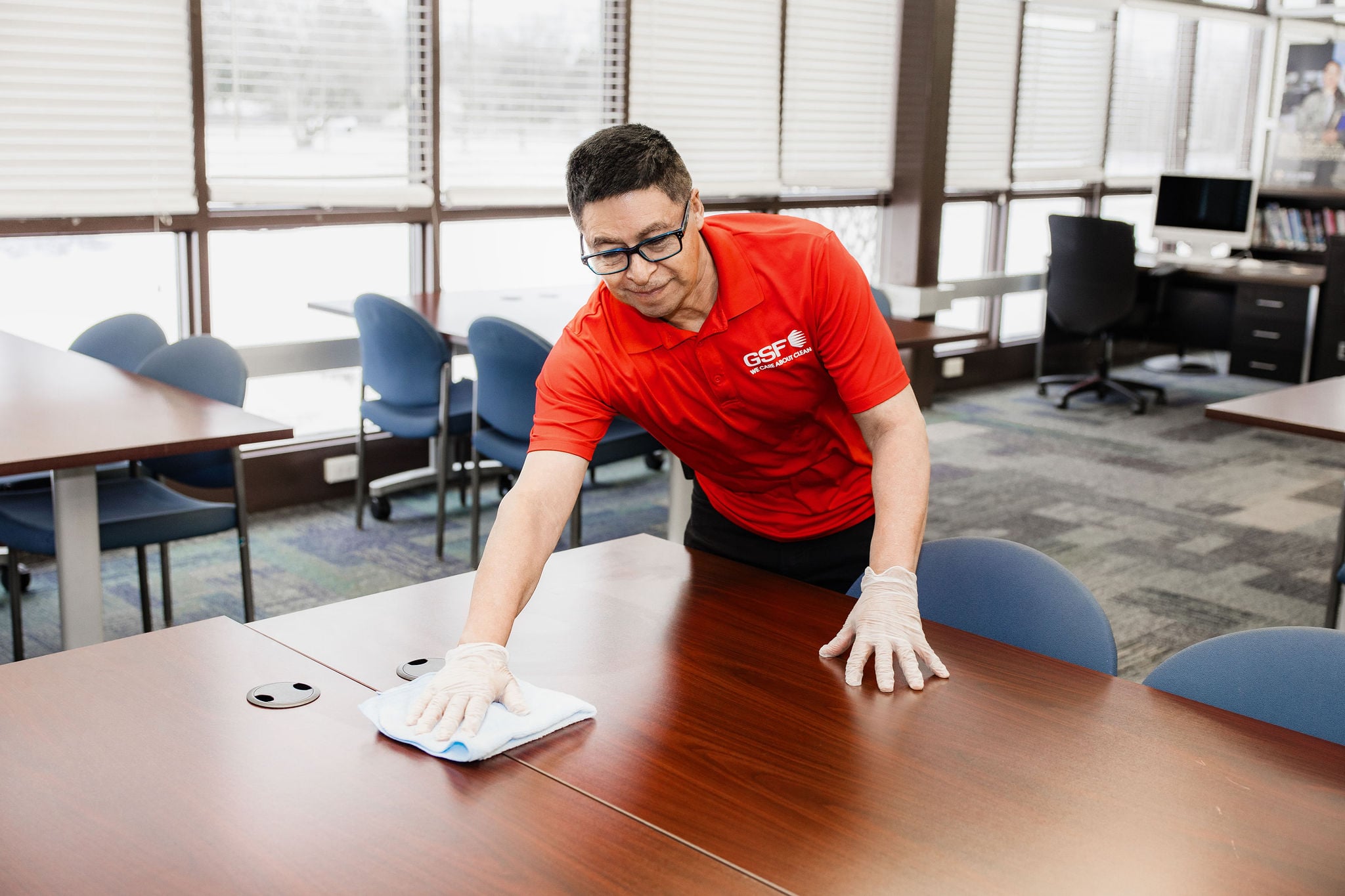
A comprehensive cleaning program helps identify maintenance concerns before they become larger issues. Custodial teams are often the first to notice damaged flooring, leaking fixtures, HVAC concerns or safety hazards. By communicating these findings early, facility managers can address problems before they escalate.
This integrated approach is one reason many organizations are turning to full-service facility partnerships that combine custodial services, maintenance support and groundskeeping under a single provider.
Plan Ahead for Long-Term Success
Preventive maintenance isn’t just about preserving a building; it’s about protecting the people who use it every day.
By investing in routine inspections, scheduled maintenance and proactive cleaning programs, schools and businesses can create healthier environments and avoid unnecessary expenses.
Organizations looking to strengthen their preventive maintenance strategy can start by conducting a facility assessment, identifying high-priority assets and creating a routine service schedule throughout the year.
Protecting Your Investment
At GSF USA, we understand that every facility is unique. Whether supporting a school district, commercial office, healthcare facility or industrial site, our teams help customers develop proactive cleaning, maintenance and groundskeeping programs that protect assets and support long-term success.
Because when it comes to building longevity, the smallest maintenance tasks often have the biggest impact.